The first step to recovery begins at a Charlotte detox center.

Detox centers in Charlotte, North Carolina provide medically supervised care to help individuals safely withdraw from drugs or alcohol. These facilities offer structured, clinical environments where healthcare professionals monitor and manage withdrawal symptoms to ensure safety, stability, and comfort. A Charlotte detox center may include services such as medical detox, 24/7 supervision, counseling, therapy, and support groups, helping individuals begin recovery with a strong, medically supported foundation.
Different substances require different detox approaches. The table below compares the most common.
| Substance | Typical duration | Key withdrawal symptoms | Medical approach |
|---|---|---|---|
| Alcohol | 5 to 7 days | Anxiety, sweating, tremors, elevated blood pressure. Risk of seizures and delirium tremens (DTs) in the 24 to 72 hour window. | Benzodiazepine taper, anti-seizure medications, comfort medications. Medical supervision recommended for anyone with heavy daily use. |
| Opioid / Fentanyl | 5 to 10 days | Muscle aches, GI distress, sweating, restless legs, intense cravings. Fentanyl withdrawal is often longer than older opioids. | Suboxone (buprenorphine) or methadone initiated during the detox window. MAT during detox is one of the strongest predictors of staying in treatment. |
| Benzodiazepines | 2 to 4 weeks or longer | Anxiety, insomnia, tremors. Stopping abruptly can trigger seizures. One of the most medically dangerous withdrawals. | Slow medically supervised taper of the benzo itself or a longer-acting alternative. Typically requires inpatient setting. |
| Stimulants (Meth, Cocaine) | 3 to 5 days acute | Depression, suicidal thinking, intense cravings, fatigue, sleep disruption. Psychologically severe but rarely physically dangerous. | Safety monitoring, mood and sleep support medications as needed. Focus on psychological stabilization. |
There are several common symptoms experienced during detox withdrawals, following the last usage of a substance.
| Time period | What you may experience |
|---|---|
| Hours 6 to 12 | Early withdrawal begins as the substance leaves the system. Common symptoms include anxiety, sweating, nausea, and insomnia. |
| Hours 24 to 48 | Peak intensity. Tremors, elevated blood pressure, and possible hallucinations (alcohol withdrawal). Severe muscle aches and GI distress (opioids). Risk of seizures with alcohol and benzo withdrawal. |
| Days 3 to 5 | Most dangerous window for alcohol withdrawal. Delirium tremens risk peaks. Post-acute opioid withdrawal symptoms begin. |
| Days 5 to 7 | Acute physical withdrawal begins to subside. Sleep and mood remain disrupted. |
| Weeks 2 to 4 and beyond | Post-acute withdrawal (PAWS) phase. Mood swings, cravings, cognitive fog, and disrupted sleep can persist. Highest-risk window for relapse. |
The post-acute phase is where SERC’s outpatient program does its most important work. Stabilization is just the start; the real recovery happens in the weeks and months after, with therapy, MAT, and structured outpatient care.
While individuals may feel that they can attempt a detox at home just fine, symptoms at the later stages of withdrawal make this inadvisable or outright dangerous depending on the substance.
Detox, short for detoxification, is a process that removes toxic substances from the body, particularly those accumulated due to substance abuse. It is the first step in the journey towards recovery. Detox involves the systematic removal of drugs or alcohol from the body while managing the associated withdrawal symptoms. Depending on the substance and the severity of the addiction, detox may occur in a variety of settings, including specialized detox centers, hospitals, or outpatient clinics.
The most common substance use disorder detox programs are centered on alcohol detox and drug detox. Detox protocols are carefully tailored to address the specific needs of everyone, considering factors such as the type of substance abused, the duration and severity of addiction, and any underlying medical or psychological conditions. Medical supervision is often a crucial component of detox, ensuring the safety and comfort of individuals throughout the process.
Withdrawal symptoms can vary widely depending on the substance involved, ranging from mild discomfort to severe complications. Common symptoms may include nausea, vomiting, insomnia, anxiety, tremors, and seizures. The severity and duration of withdrawal symptoms can be influenced by factors such as the individual’s overall health, the presence of co-occurring disorders, and the duration of substance use.
We treat detox as the first step in the same clinical arc, not a separate facility you have to find on your own. There are two paths, and we make the right call with you during your initial assessment.
For clients who are clinically appropriate for ambulatory withdrawal management, we deliver outpatient detox in-house at our Charlotte clinical building. You attend the clinic daily during the early withdrawal window, our medical team monitors and manages symptoms with comfort medications and MAT (including Suboxone induction for opioid clients), and you go home to sleep in your own bed at night. Outpatient detox fits clients who have a stable home environment, no history of severe withdrawal, moderate use levels, and reliable support. For the deeper walkthrough of how outpatient detox works at SERC, see our outpatient detox page.
When the clinical picture calls for 24/7 medical supervision, we coordinate placement with our partner detox network across North Carolina, South Carolina, Virginia, and Georgia. We handle the referral, the scheduling, the insurance authorization, and the direct hand-off with the medical team. You do not have to call ten places and figure out who has a bed.
Getting to detox is one of the biggest practical barriers families face. We provide transportation to your assigned inpatient detox facility and bring you back to Charlotte for the next phase of care. Most clients do not drive themselves during the days leading up to detox, and the logistics are often the thing that delays treatment. We take that off your plate.
Throughout the inpatient stay, our care team stays in contact with the detox facility’s medical team and with you. Our admissions and clinical staff check in during detox so the moment medical clearance is given, the handoff to our Charlotte program is already lined up.
| Factor | Medical Detox | Detoxing at Home |
|---|---|---|
| Clinical supervision | Monitored by medical professionals who can assess symptoms, vital signs, and complications during withdrawal. | No continuous medical supervision, which can increase risk if symptoms escalate unexpectedly. |
| Safety during withdrawal | Safer for alcohol, opioids, benzodiazepines, and other substances that can cause serious withdrawal symptoms or complications. | Can be dangerous, especially when withdrawal involves seizures, hallucinations, severe dehydration, or relapse risk. |
| Medication support | May include medications to reduce withdrawal symptoms, stabilize the patient, and improve comfort and safety. | Usually no structured medication management unless separately prescribed and carefully monitored. |
| Emergency response | Staff can respond quickly if symptoms become severe or life-threatening. | Emergency care may be delayed if the person is alone or symptoms worsen suddenly. |
| Comfort and stabilization | Structured setting designed to help patients get through early withdrawal as safely and comfortably as possible. | Symptoms may feel more overwhelming without clinical support, especially during peak withdrawal. |
| Monitoring of high-risk symptoms | Better suited for symptoms such as tremors, elevated blood pressure, severe anxiety, hallucinations, and delirium tremens risk. | High-risk symptoms may be missed, minimized, or unmanaged until they become emergencies. |
| Relapse risk during withdrawal | Supportive environment can reduce the chance of using substances to stop withdrawal discomfort. | Higher relapse risk because the person may return to using just to avoid withdrawal symptoms. |
| Best fit for | People with moderate to severe substance use, prior withdrawal complications, polysubstance use, or co-occurring medical or mental health concerns. | Only potentially appropriate in limited lower-risk situations and still not ideal without professional guidance. |
| Connection to ongoing treatment | Can transition directly into rehab, therapy, medication-assisted treatment, and aftercare planning. | Often stops at withdrawal alone, which is not the same as treatment and usually is not enough for long-term recovery. |
| Privacy and convenience | Less convenient than staying home, but offers more structure and support. | More convenient and familiar, but convenience does not equal safety. |
| Overall goal | Safe withdrawal management and stabilization before ongoing addiction treatment. | Simply getting through withdrawal symptoms, often without a full treatment plan afterward. |
Entering a detox center in Charlotte can bring on a mix of emotions, ranging from uncertainty to hope. Knowing what to expect can help ease anxieties and prepare individuals for what lies ahead. Here’s a glimpse into what someone can typically anticipate at a detox center in Charlotte:
In many cases, detox is medically necessary for individuals to have the best chance of success reaching sobriety. The success rate of such programs shows that they do make a difference, which is why Southeastern Recovery Center puts such an effort in placing patients in detox programs.
4. 30–40% of people in recovery experience PAWS, lasting weeks to months after acute detox
5. Attempting alcohol or benzo detox without medical supervision carries a 1-in-100 fatality risk
6. 82% of SERC clients who complete detox and transition to our care successfully graduate our Partial Hospitalization Program (PHP).
If you’re wondering if it’s safe to detox at home, the truth is that you’re better off seeking help from health professionals. There are several substances where home detox is life-threatening (alcohol, benzodiazepines) or uncomfortable but survivable (opioids, cannabis, stimulants). However, even in the latter case, the withdrawal symptoms can be hard to overcome, leading to relapse and furthering an attachment to a bustance.
If you’re not sure whether you need medical detox, call us. Our clinical team will assess your situation for free.
Detox is only the first step to long-term sobriety. After completing medically supervised detox, SERC’s clinical team conducts a level-of-care assessment and immediately transitions clients into the appropriate next phase:
PHP (Partial Hospitalization Program): SERC’s most intensive day-treatment program. Clients receive structured clinical groups Monday–Saturday 9AM–4:30PM, holistic programming (yoga, gym, equine therapy), peer community, and housing support. Full daily schedule available here.
IOP (Intensive Outpatient Program): Three sessions per week plus weekly individual therapy. Groups cover CBT, DBT, Motivational Interviewing, and ACT. Focuses on real-world integration, relapse prevention, and coping skills.
VIOP (Virtual IOP): Identical clinical content to IOP, delivered remotely for your convenience. This allows Southeastern Recovery Center to deliver its services outside of the Charlotte-area, who need flexibility while maintaining recovery support.
Placement in either of these programs ultimately depends on what’s best for your desired outcomes and lifestyles. The level of care that comes after detox varies from person to person, which is why we at Southeastern Recovery Center, personalize treatment.
Post-Acute Withdrawal Syndrome is defined as a second wave of withdrawal symptoms appearing weeks to months after acute detox ends. PAWS is the #1 cause of relapse in the first year of recovery.
PAWS Symptoms include mood swings, anxiety, sleep disruption, cognitive fog, cravings. Post-Acute Withdrawal Syndrome most commonly occurs during detox for alcohol, opioids, and benzodiazepines. The duration of PAWS ranges from 2 weeks to 2 years, depending on your substance and individual history.
SERC’s alumni and aftercare program can help clients navigate PAWS long-term. We connect individuals with resources for sober living, along with utilizing regular check-ins and group programs to create a support network following drug detox.
Medication-Assisted Treatment uses FDA-approved medications to manage cravings, reduce withdrawal severity, and prevent relapse during recovery from opioid or alcohol use disorder. For most clients with opioid use disorder, MAT starts during the detox window itself and continues into outpatient care.
For opioid use disorder, we offer in-house Suboxone (buprenorphine) at our Charlotte clinical building, led by Rhett Owensby, LCAS (Licensed Clinical Addictions Specialist) with medical oversight from Dr. David Stern (board certified in addiction medicine) and Natalie Spinella, NP. Suboxone is often initiated during detox and continued throughout PHP, IOP, VIOP, and beyond. For clients better suited to methadone, we coordinate the referral to McLeod Centers, our referral partner OTP in Charlotte. See our methadone clinic page for the full methadone vs. Suboxone comparison.
For alcohol use disorder, we use naltrexone (oral or Vivitrol injection), and in some cases acamprosate, to reduce cravings during early recovery. See our alcohol rehab page for the full program.
Common detox medications include Buprenorphine/Suboxone (opioids), Naltrexone (alcohol and opioids), Librium and Valium (for alcohol or benzodiazepine taper), and Clonidine. Using medication in detox is not “trading one addiction for another.” These are evidence-based medications that have been shown effective and non-addictive when used appropriately for withdrawal management and ongoing recovery. SERC’s clinical team evaluates each client individually for MAT appropriateness.
If you’re asking yourself questions like “Do I need detox before rehab?” or “How do I know if I need detox?”, the checklist below may help you.
North Carolina ranked among the top 10 states for opioid-involved overdose deaths in 2022 (CDC). Individuals suffering from addictions to opioids or other drugs shouldn’t have to fear withdrawal symptoms on their path to recovery. At Southeastern Recovery Center, we work to ensure that individuals in Charlotte, Concord, Kannapolis, Gastonia, Cabarrus County, and surrounding Mecklenburg County communities can get the care they need.
Please reach out to us if you or a loved one are struggling to detox from drugs or alcohol. Our facility is easily accessible from I-85, I-77, and I-485, and we’re also reachable via phone email, or contact form to address any concerns you may have.
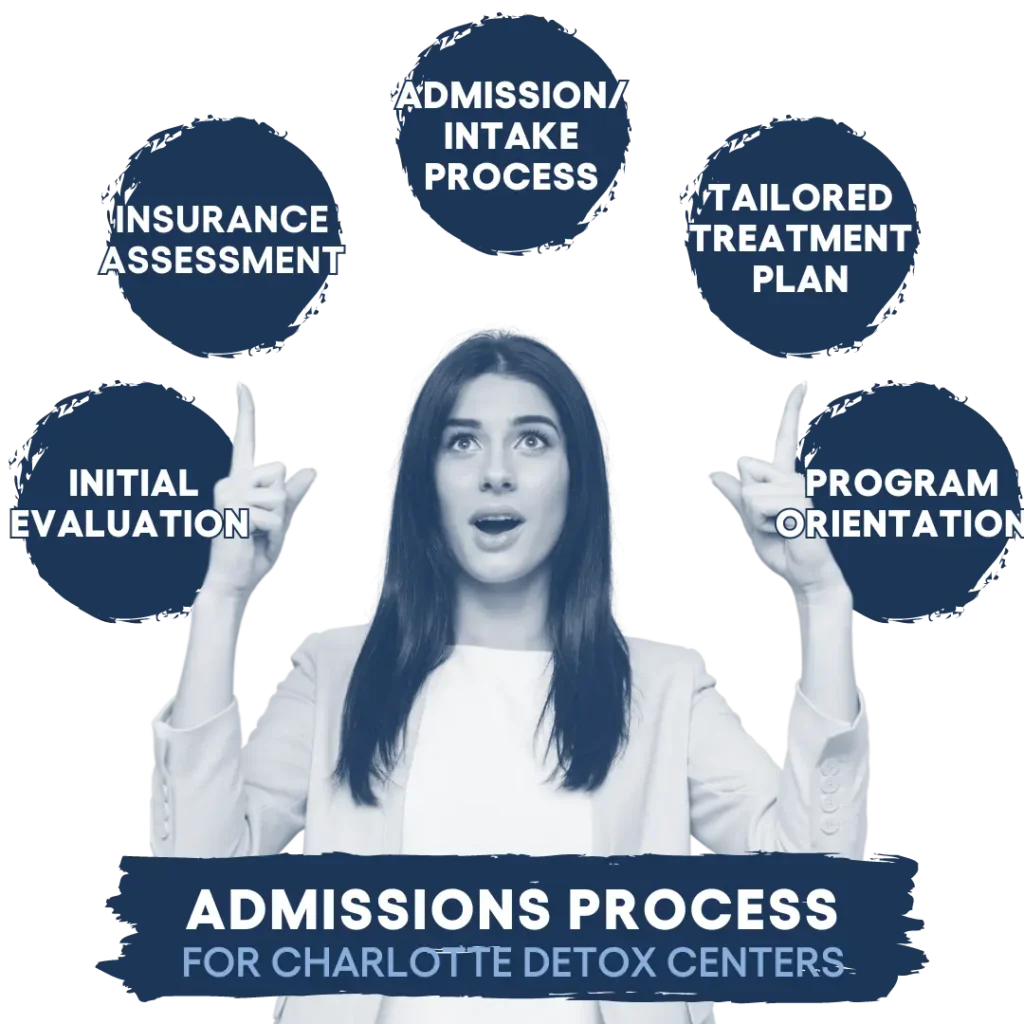
The admissions process for a detox center in Charlotte, North Carolina, typically involves several steps to ensure the safety and suitability of the individual seeking treatment. Confidentiality and privacy are typically maintained throughout the admissions process to protect individuals’ personal information and uphold their dignity and rights. While specific procedures may vary slightly between facilities, here’s a general outline of what to expect:
I went to Southeastern for rehab, and they were awesome through the whole process. They helped get me into detox first and then brought me back to their program after. The staff really cared and made sure I had everything I needed the entire time. They checked on me while I was in detox and were there waiting for me as soon as I got out to take me back to treatment. I honestly can’t say enough good things about them. I’ve been sober for over two years now thanks to these guys.
Mark T., Southeastern Recovery Center alumnus
Our outpatient program is led by Rhett Owensby, LCAS (Licensed Clinical Addictions Specialist), our clinical lead. Our medical director is Dr. David Stern, who is board certified in addiction medicine, with Natalie Spinella, NP as part of the medical team. Together they oversee clinical and medical care for all SERC programs.
Southeastern Recovery Center is accredited by The Joint Commission and licensed by the State of North Carolina. The Joint Commission Gold Seal of Approval is the most rigorous independent accreditation in U.S. healthcare and is the same standard applied to hospitals and major medical centers.
For families and clients, that combination matters: independent confirmation that the care we provide meets clinical, ethical, and safety standards beyond the minimums required to operate.
Exploring an addiction rehab or detox center in Charlotte is a major first step in living a sober life. It takes a great amount of courage and strength to identify a problem with addiction in your life, but finding the right resources and professionals to help you on the path can be overwhelming. Southeastern Recovery Center understands how hard these steps are to take and wants to help and guide you through the entire process.
If you or a loved one is considering detox in Charlotte, NC, call Southeastern Recovery Center to start the admissions process. We will work closely with you, your family, and your insurance provider to determine a treatment plan that fits your sobriety goals.
Visit Our Charlotte Clinical Building
4620 Piedmont Row Drive
Charlotte, NC 28211
Yes, we deliver outpatient detox in-house at our Charlotte clinical building for clients who are clinically appropriate for ambulatory withdrawal management. For clients who need inpatient medical detox, we coordinate placement with our partner network across North Carolina, South Carolina, Virginia, and Georgia, and we provide transportation to and from those facilities.
Most detox programs run 3 to 10 days depending on the substance. Alcohol typically takes 5 to 7 days. Opioid detox typically takes 5 to 10 days. Benzodiazepine taper can take 2 to 4 weeks or longer. Stimulant detox is usually 3 to 5 days for the most acute physical phase.
For alcohol and benzodiazepines, yes. Both can cause seizures and, in severe cases, death. For opioids, home detox is rarely lethal but is intensely uncomfortable and has very high relapse rates. The safe approach is to talk to a clinician before deciding.
For alcohol: benzodiazepines (in a tapered protocol), anti-seizure medications, comfort medications. For opioids: buprenorphine (Suboxone) or methadone. For benzodiazepines: a slow taper of the benzo itself or a longer-acting alternative. For stimulants: medications for sleep, mood, and safety as needed.
Yes. For most clients with opioid use disorder, starting Suboxone during the detox window is one of the strongest predictors of staying in treatment. We initiate Suboxone in our Charlotte clinical building and continue it throughout PHP, IOP, VIOP, and beyond.
Yes. We provide transportation to your assigned inpatient detox facility and back to Charlotte for the next phase of care. Getting to detox is one of the biggest practical barriers families face, and we take that off your plate.
Most clients transition directly into our Partial Hospitalization Program (PHP), which typically runs 30 to 45 days. From there they step down to Intensive Outpatient (IOP), then to Virtual Intensive Outpatient (VIOP) over the following months. 82% of clients who complete detox and transition to our care successfully graduate PHP.
No. Substance use treatment records are protected by federal law (42 CFR Part 2, which applies specifically to addiction treatment, plus HIPAA). We do not contact employers, family members, or anyone else without your written consent.
Yes. We are in-network with Blue Cross Blue Shield of North Carolina and accept all other major insurance carriers for outpatient detox, PHP, IOP, VIOP, and MAT. Our inpatient detox partner facilities accept most major insurance plans. NC Medicaid covers medical detox for eligible clients. Verify your benefits in a single confidential phone call.
The clinical content on this page is informed by guidance from federal health agencies, peer-reviewed medical literature, and addiction medicine professional societies. The Southeastern Recovery Center clinical team reviews this page periodically for accuracy.
This page is reviewed by the SERC clinical team. The information provided is educational and is not a substitute for medical advice from a qualified clinician. If you are experiencing a medical emergency, call 911. If you are in crisis, call or text 988 to reach the Suicide and Crisis Lifeline.