Completing an addiction treatment program is a significant milestone, but recovery doesn’t end at discharge. Aftercare—also called continuing care—is the critical bridge between intensive treatment and independent, sober living. Research consistently shows that individuals who engage in structured aftercare programs experience significantly lower relapse rates and better long-term outcomes than those who don’t.
Aftercare programs in Charlotte offer a range of services designed to sustain recovery momentum: alumni meetings, relapse prevention groups, ongoing therapy check-ins, peer mentorship, social events, crisis support, and connections to community resources. Whether you’ve completed residential treatment, PHP, or IOP, the right aftercare program provides accountability, community, and clinical support when you need it most.
This guide highlights the top 10 aftercare programs in Charlotte, each offering unique approaches to help you maintain sobriety, navigate life’s challenges, and build a fulfilling life in long-term recovery.
This content is intended to support informed decision-making and is not a ranking or evaluation of treatment outcomes.
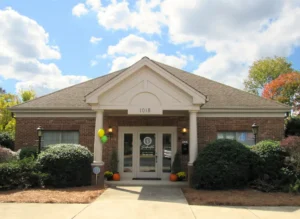
Southeastern Recovery Center provides a robust aftercare and alumni program that extends support well beyond treatment completion. Services include monthly alumni meetings, recovery check-ins, ongoing family counseling, social events, and a 24/7 crisis helpline for graduates needing support. Alumni remain connected through peer networks, relapse prevention resources, and access to the clinical team for continued guidance as they navigate long-term recovery.
The alumni program, “Welcome to the Change Agents,” offers support through tele-aftercare services, ensuring graduates have access to help whenever needed. The program includes alumni meetings, relapse prevention workshops, social events, and ongoing family therapy sessions. Alumni stay connected through a supportive community that emphasizes family involvement, peer accountability, and long-term recovery skills.
Offers structured aftercare featuring weekly group sessions over 6-8 weeks to help patients maintain connections to support systems. Led by a Program Coordinator, services include alumni support groups, family education sessions, peer mentorship, and referrals to community resources. The program emphasizes recovery momentum through consistent clinical and peer support.
Provides an alumni program for men that offers ongoing support, peer connections, and community resources beyond treatment completion. The program includes regular alumni meetings, aftercare groups, relapse prevention education, and social events that keep graduates connected to their recovery community.
Provides aftercare services that include ongoing clinical check-ins, alumni support groups, and telehealth options for graduates needing remote access. The program focuses on relapse prevention, continued therapy, peer support network, and crisis intervention.
Integrates aftercare into its continuum of care, for access to ongoing support groups, 12-step facilitation, and medical follow-up through the healthcare system. The program connects alumni to community recovery resources, monitors progress through check-ins, and offers access to psychiatric and medical specialists when co-occurring conditions require continued management.
Offers aftercare planning tailored to each graduate’s unique needs and recovery goals. The alumni program provides essential extension of treatment through ongoing support, connection, and community engagement.
Provides aftercare including a year-long drug testing and monitoring program. The alumni program offers ongoing support groups, relapse prevention planning, crisis intervention, and connections to community resources. Graduates receive continued clinical oversight and peer support to sustain long-term recovery.
Operates an alumni association designed to encourage graduates to network and support each other through recovery. Aftercare planning includes identifying triggers, teaching coping skills, and providing relapse prevention strategies based on a Matrix Model. Alumni benefit from continued clinical support, peer mentorship, and resources to stay in recovery.
Offers faith-based aftercare support for graduates of their residential program. Services include alumni meetings, spiritual mentorship, Bible studies, volunteer opportunities, and continued connections to the recovery community. The program emphasizes building a Christ-centered foundation for long-term sobriety with peer accountability and ongoing spiritual guidance in a faith environment.
Aftercare is not optional—it’s essential. Studies show that individuals who participate in aftercare programs for at least one year after completing treatment have significantly better outcomes, including higher employment rates, improved relationships, stable housing, and dramatically lower relapse rates. Aftercare provides the ongoing structure, accountability, and community support that bridges the gap between the safety of treatment and the challenges of everyday life.
When choosing an aftercare program in Charlotte, consider factors such as the frequency and structure of alumni meetings, availability of crisis support and 24/7 helplines, clinical vs. peer-led programming, family involvement opportunities, relapse prevention education and skills training, social events and sober activities, and connections to community recovery resources. The best aftercare program fits your schedule, meets your specific recovery needs, and provides a community where you feel supported and understood.
Recovery is a lifelong journey, and aftercare ensures you never have to walk it alone. By staying connected to your treatment center’s alumni network, engaging in relapse prevention activities, and maintaining relationships with peers in recovery, you create a safety net that catches you before a slip becomes a relapse. Aftercare transforms treatment gains into lasting lifestyle changes.