Alcohol is the #1 most abused drug in the United States.
Although many people immediately think of illegal substances when they hear the term “drug,” alcohol consistently ranks as the most widely used and misused substance nationwide. Because it is legal for adults and deeply embedded in American culture, its risks are often minimized. However, legality does not mean safety. In fact, alcohol’s accessibility and normalization are major reasons it remains the most abused substance year after year.
At Southeastern Recovery Center in Charlotte, NC, we frequently work with individuals whose alcohol use began socially and gradually escalated into alcohol use disorder. Many never intended to develop a dependency. Understanding why alcohol holds this position can help individuals recognize risk earlier and seek support before serious consequences develop.
Below is a deeper look at why alcohol ranks first and how it compares to other commonly abused substances.

Several overlapping factors contribute to alcohol’s widespread misuse across age groups and demographics.
Alcohol is legal for adults 21 and older. It is present at celebrations, sporting events, holidays, weddings, networking events, and even routine dinners. This cultural integration makes heavy drinking appear normal, even when it crosses into risky territory.
Unlike illicit drugs, alcohol consumption is often encouraged socially. Phrases like “just one more” or “you deserve it” reinforce patterns that can gradually become problematic.
Alcohol is widely available in grocery stores, gas stations, restaurants, bars, and delivery apps. The ease of purchase lowers the barrier to frequent use. In many communities, alcohol is more accessible than mental health care.
Because alcohol is regulated and legal, many assume it is less dangerous than substances like heroin or methamphetamine. However, repeated heavy alcohol use changes brain chemistry in similar ways to other addictive drugs.
According to the National Institute on Alcohol Abuse and Alcoholism, millions of adults in the United States meet criteria for alcohol use disorder each year. Many more engage in binge drinking patterns that significantly increase health risks.
The Substance Abuse and Mental Health Services Administration consistently reports that alcohol remains the most commonly misused substance among adults and adolescents nationwide.

Alcohol impacts multiple organ systems simultaneously. It affects:
Repeated exposure leads to tolerance, meaning more alcohol is needed to achieve the same effect. Over time, dependence may develop, and withdrawal symptoms can occur when drinking stops.
These neurological adaptations are similar to what is seen with other addictive substances. The difference is that alcohol’s widespread acceptance often delays recognition of the problem.

While alcohol ranks #1 overall, other substances remain significant public health concerns.
Commonly abused drugs include:
The Centers for Disease Control and Prevention notes that opioids account for a large percentage of overdose deaths in recent years. However, when considering total health impact, chronic disease, accidents, and long-term complications, alcohol contributes to a higher overall number of deaths annually.
Alcohol’s cumulative damage across organ systems makes it uniquely harmful over time.
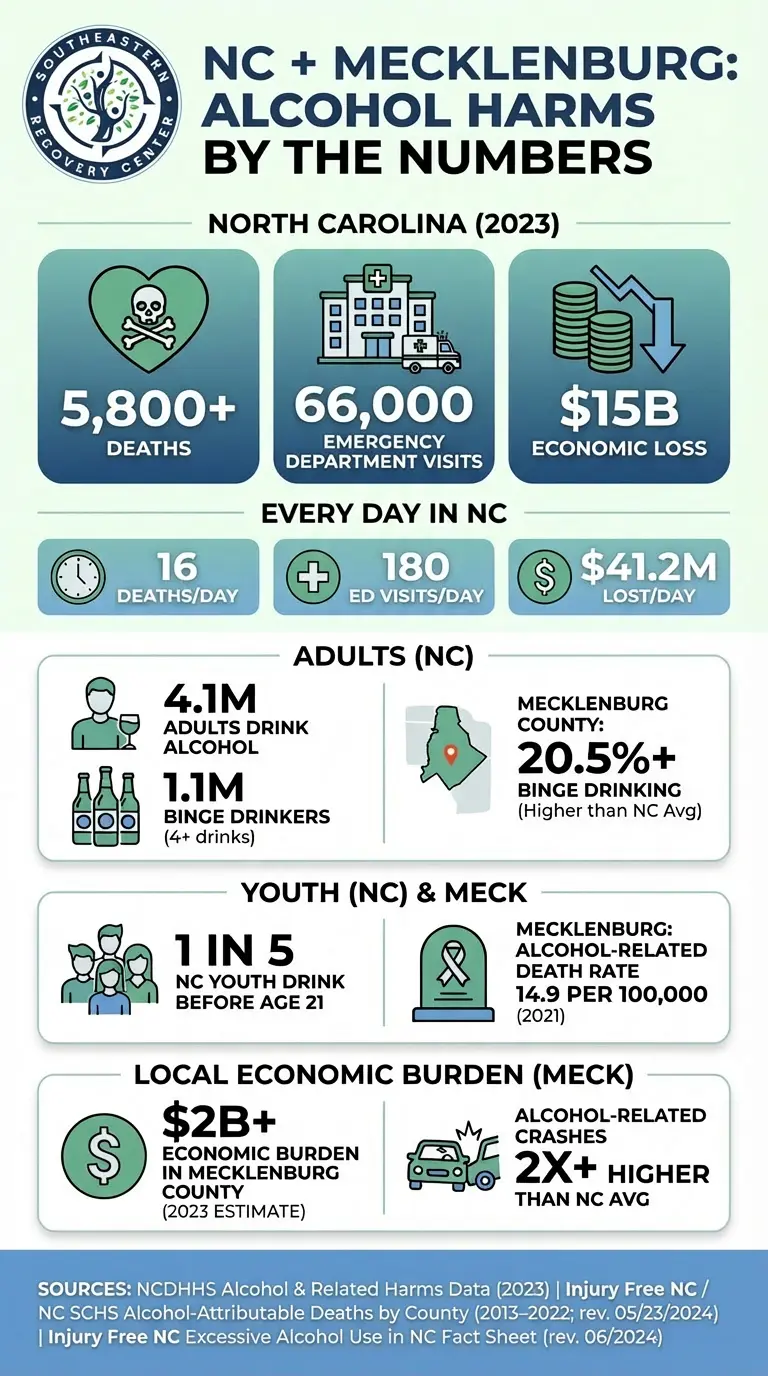
Excessive alcohol use is responsible for more than 140,000 deaths annually in the United States, according to the Centers for Disease Control and Prevention.
These deaths result from:
In addition to mortality, alcohol misuse contributes to:
Because alcohol-related harm often develops gradually, individuals may not recognize the severity until significant damage has occurred.
This comparison shows that while opioids and methamphetamine may carry a higher immediate overdose risk, alcohol’s widespread use leads to broader population-level harm.
Because alcohol is legal and culturally embedded, prevention efforts often receive less urgency compared to illicit drug crises. However, alcohol misuse strains healthcare systems, increases emergency room visits, and contributes to chronic illness nationwide.
Public health research consistently shows that reducing excessive drinking lowers rates of liver disease, certain cancers, and injury-related deaths. Early screening and intervention are critical.
At Southeastern Recovery Center in Charlotte, we emphasize early identification of problematic drinking patterns. Many individuals do not realize they meet criteria for alcohol use disorder until consequences escalate.
Not everyone who drinks develops a disorder, but warning signs include:
Alcohol use disorder exists on a spectrum from mild to severe. Early intervention significantly improves outcomes and reduces long-term medical complications.

Alcohol addiction is treatable. Evidence-based approaches include:
At Southeastern Recovery Center, treatment plans are individualized to address both substance use and underlying mental health factors such as anxiety, depression, or trauma.
Recovery is not just about stopping drinking. It involves rebuilding coping skills, restoring physical health, and creating long-term support systems.
If the #1 abused drug, alcohol, is showing up in your life in a way that feels unsafe, you deserve support right now. Talk with a team that will listen without judgment, help you sort out what is happening, and guide you to the next step toward safety and stability.
When a loved one is misusing the #1 abused drug, alcohol, it is hard to know what to say or what to do first. We can help you recognize urgent red flags, plan a calm and effective conversation, and connect your loved one with appropriate care and ongoing recovery support.
If you are ready to take action, we will help you quickly compare realistic treatment paths and identify what is available. We can also verify insurance within 24 hours and explain costs and next steps clearly, so you can focus on getting help for alcoholism in place without delays.
Alcohol remains the #1 abused drug in the United States due to its legality, availability, and cultural normalization. Despite its acceptance, it contributes to more preventable deaths and chronic health conditions than any other substance.
Recognizing the risks early can prevent years of medical, emotional, and financial consequences. If you or someone you love is concerned about drinking patterns, professional support can make a measurable difference.
Sources
Centers for Disease Control and Prevention. “Alcohol and Public Health.” CDC, www.cdc.gov/alcohol.
National Institute on Alcohol Abuse and Alcoholism. “Alcohol Use Disorder.” National Institutes of Health, www.niaaa.nih.gov.
Substance Abuse and Mental Health Services Administration. “Key Substance Use and Mental Health Indicators in the United States.” U.S. Department of Health and Human Services, www.samhsa.gov.