Opioid addiction (also known as Opioid use disorder or OUD) is the inability to stop using opioids. While opioids can reduce pain and create a feeling of pleasure, individuals that are dependent on or addicted to opioids are at risk of fatally overdosing.
At Southeastern Recovery Center in Charlotte, NC, we provide comprehensive, compassionate treatment for opioid addiction. Our programs are designed to help facilitate individuals safely into detox, then transitioning into our 30 day program to understand the root causes of addiction, and build lasting recovery with support from a dedicated clinical team. Our team isn’t just qualified; we genuinely care because many staff members have experienced the toll of addiction ourselves.
What Are Opioids and Why Are They Addictive? Opioids are narcotic drugs. They’re addictive because they release dopamine and alleviate pain.
Why Are Opioids a Concern in North Carolina (and Charlotte)? Opioids are concerned because there’s an ongoing opioid crisis in North Carolina. The state is experiencing an increasing number of overdoses.
How Does Opioid Addiction Start? Opioid addiction starts when an individual is either prescribed the drug or begins to take it recreationally.
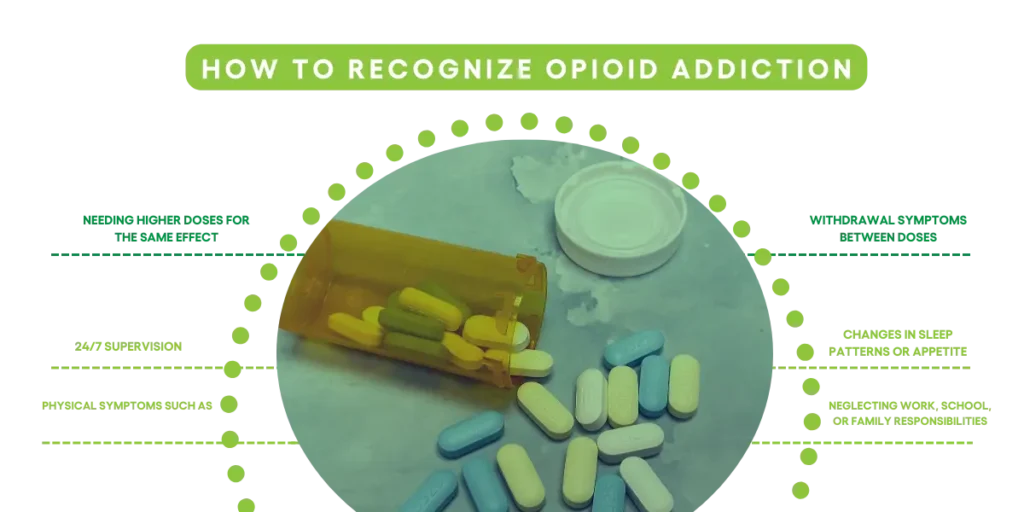
How to Recognize Opioid Addiction. Signs such as moodiness, needing higher doses of opioids, and isolation are signs of an opioid addiction.
How to Detox from Opioids Safely. Rather than trying to detox from opioids at home, it is better to seek a medically supervised detox program.
How Long Does Opioid Withdrawal Last? Opioid withdrawal can last up to seven days.
How Is Opioid Addiction Treated in North Carolina? Southeastern Recovery Center uses a mix of medical detox, residential treatment, and outpatient programs to provide rehab for opioids.
How Can Families Help Someone Addicted to Opioids? Families can help someone addicted to opioids by taking part in treatments and doing their own research into how opioids rewire an individual’s mind.
How to Prevent Relapse After Opioid Rehab. Southeastern Recovery Center makes use of continued therapy, healthy coping strategies, and access to alumni networks to help individuals prevent relapse after opioid rehab.
How to Choose the Right Rehab for Opioids in Charlotte. Look for accreditation and experience with opioids.
How Treatment Works at Southeastern Recovery Center. Southeastern Recovery Center makes use of an intake assessment to create a personalized plan to help you with your opioid rehabilitation.
Why Choose Southeastern Recovery Center. Southeastern Recovery Center creates personalized treatment plans to serve patients from all over North Carolina, not just Charlotte.

We get it; facing opioid addiction is really frightening, and the idea of getting help can seem too hard to even think about. But you don't have to go through it alone. Many of us at Southeastern Recovery Center have been in your shoes and have made it through the tough journey to recovery. We know it takes bravery to say you need help, and we're here to guide you at every turn. Our team isn't just qualified; we genuinely care because many staff members have experienced the toll of addiction ourselves.
This mix of skills and heart is what lets us offer more than just treatment—we provide a personalized plan to help you lead a healthier, happier life. So even if things look tough now, remember that with us, you've got a supportive community ready to help you make a fresh start.
Southeastern Recovery Center is more than just a place to receive treatment for addiction; it's a place where you can truly start to heal from opioid addiction for the long term. Our program tackles recovery from all angles, focusing on your mental, physical, and emotional well-being. If you or someone you care about is dealing with opioid addiction, consider starting a better future with us at SERC.
Opioids are in the narcotic class of drugs that are used to provide pain relief. In some cases, opioids are legally prescribed by medical professionals in manageable doses. In other cases, they’re sold as illegal street drugs, such as in the case of heroin and fentanyl.
Opioids are addictive because they trigger the release of endorphins in your brain. Endorphins signal to your mind (and your body) that you are feeling good. This feeling of pleasure can become very desirable for individuals, leading them to take improper dosages of opioids.
From there, the body will begin to grow dependent on having opioids present. Your brain will rewire how it functions with the assumption that opioids will be around to produce endorphins. This is how an opioid dependence develops. As a result, stopping opioid usage might trigger withdrawal symptoms.
In other words, not only might an individual crave for the feeling of pleasure that opioids create, but the mind itself will grow dependent on opioid usage. This is why opioids were so addictive and so dangerous.

The initial stage in the journey to recovery is detoxification, which is crucial for cleansing the body of harmful substances. For those grappling with opioid addiction, undergoing detox under medical supervision is essential. Withdrawal from opioids isn't merely uncomfortable; it can also pose serious health risks.
Medical support is vital for managing symptoms such as extreme agitation, nausea, and potentially severe complications. If necessary, Southeastern Recovery Center can help you locate a nearby detox facility that specializes in opioid withdrawal management.
The nation at large is undergoing an opioid crisis partially due to the popularity of fentanyl. Fentanyl is a synthetic opioid that is among the most potent in the drug class, more addictive overall. But it’s not the only opioid causing issues.
When we look at North Carolina locally:
Opioid overdoses are trending upwards in North Carolina, pointing to increased access to an abuse of opioids. Even if an individual recognizes that the growing depended on opioids, trying to do rehab for opioids at home is risky without guidance for medical professionals.
If you or someone you love in Charlotte, NC, is struggling with opioid dependence, it’s important to know that help is available and recovery is absolutely possible.
For most people, the uses of opioids will begin with a doctor prescribing them for pain relief. In these cases, doctors are usually very responsible about the doses they recommend for patients, but it’s possible that patients might misunderstand or miss use their dosage, leading to them developing a dependence.
In other cases, people might seek to use opioids recreationally. This could mean purchasing pills without a prescription, or doing street drugs like heroin or fentanyl. Sometimes individuals seek these drugs for their pleasurable effects. Other times, individuals try to self medicate for issues they might have such as anxiety or body pain.
In Charlotte and across North Carolina, we see a variety of initial causes leading individuals to start using opioids and suddenly find that they are unable to quit without professional help.
It’s important to be able to recognize when an individual is experiencing an opioid addiction or dependence. Here are some of the common red flags:
If you notice these patterns in yourself or someone else, it’s time to seek professional support. Southeastern Recovery Center helps facilitate medical detox and then integration into our 30-day therapy programs in Charlotte, designed specifically for opioid and other drug and alcohol addictions.
As the opioid problem affects people all over the country, Southeastern Recovery Center (SERC) is a safe place that offers expert help for those dealing with opioid addiction. Our program uses the latest medical treatments, along with whole-body healing methods and a caring community to give you more than just a way to get clean. We offer a complete plan for a healthier, better life.

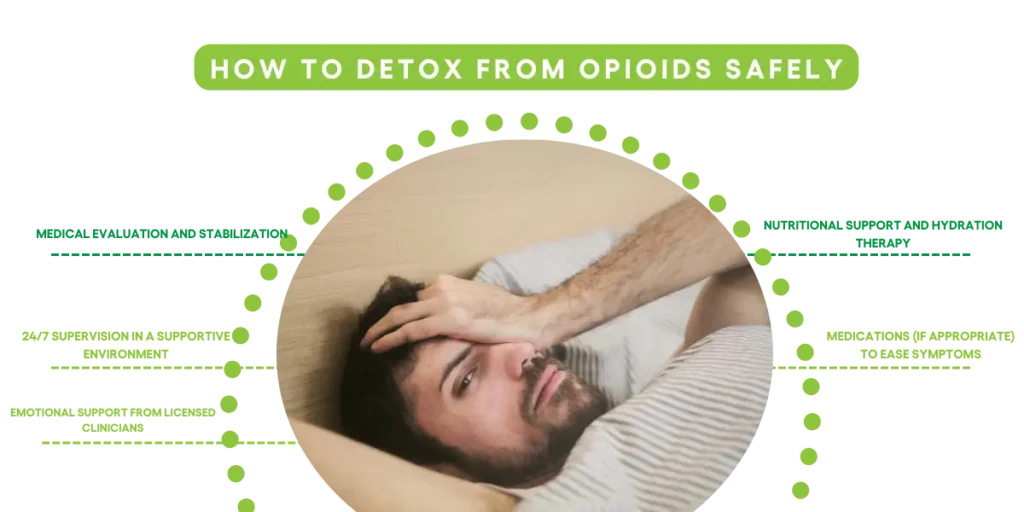
It’s important that you don’t try to detox from opioids at home. While this can occasionally work, it’s dangerous, since having developed an opioid dependence means that you will experience physical and mental symptoms once you cease using the drug. The resulting anxiety, muscle aches, nausea, and other symptoms can cause an individual to relapse.
At Southeastern Recovery Center, we help facilitate clients into our medically supervised detox partner programs to help clients safely and comfortably eliminate opioids from their system. Once detox is completed & clients enter our 30 day program, our medical team provides continuous monitoring, symptom management, and hydration support to minimize discomfort and prevent complications.
Southeastern Recovery Center also goes beyond addressing the need to rehab for opioids. We dig deeper, addressing that cause an individual to develop a dependence on opioids in the first place. This sets our patients up for long-term success.
Charlotte-area emergency services are equipped to stabilize an overdose in the moment, but stabilization is not recovery. This comparison shows the gap between the public crisis response system and the structured, individualized opioid treatment program available at Southeastern Recovery Center, serving Charlotte and all of Mecklenburg County from Concord, NC.
| Category | Charlotte Area Crisis Response System | Southeastern Recovery Center (SERC) |
|---|---|---|
| Primary function | Reverses acute overdose; stabilizes and discharges [1] | Provides full opioid treatment: from medically supervised detox through aftercare [2] |
| Medically supervised detox | Not available; patients are stabilized and released | Placed into partner medically supervised detox programs with 24/7 monitoring [2] |
| Dual diagnosis treatment | Not available in emergency settings | Integrated treatment addressing opioid addiction alongside co-occurring mental health conditions [2] |
| Individualized treatment plan | Not offered; crisis response is standardized | Custom treatment plan built around each client’s history, trauma, and goals [2] |
| Therapy and counseling | Not provided after discharge | CBT, Motivational Interviewing, and trauma-informed care with licensed clinicians [2] |
| Family involvement | Limited to emergency communication only | Structured family therapy, boundary-setting education, and communication coaching [2] |
| Holistic programming | Not available | Mindfulness, yoga, art therapy, and nature therapy integrated into clinical care [2] |
| Relapse prevention and aftercare | Referral sheet only; no coordinated follow-up | Detailed discharge plan with outpatient, peer support, and alumni network connections [2] |
| Naloxone distributed in Mecklenburg, 2024 | 16,968 doses distributed by county EMS and public health [1] | Focuses on long-term recovery so clients do not need crisis response again [2] |
| Geographic reach | Mecklenburg County emergency response only | Charlotte, Concord, and all of North Carolina [2] |

Opioid withdrawal symptoms 6 to 12 hours after your last use of the drug, though exact details will depend on the specific drug and the duration of your use.
Opioid withdrawal symptoms usually peak around 2 to 3 days after your last dosage. For most individuals, these unpleasant symptoms will dissipate after 5 to 7 days. However, some people may experience the symptoms for longer.
Opioid withdrawal symptoms include:
These withdrawal symptoms are rarely life-threatening but unpleasant enough that they can cause an individual to experience an opioid relapse. That’s why it’s important to have an effective support system in place before you attempt rehab for opioids.
At our Charlotte facility, clients receive continued support through therapy, counseling, and relapse prevention programs as soon as their opioid detox is complete.
Untreated opioid use disorder compounds over time, increasing risk of overdose death, incarceration, unemployment, and family breakdown. The data below illustrates what is at stake for individuals in Charlotte and across North Carolina when access to quality opioid rehab is delayed or never reached.
| Consequence | Data Point | Level |
|---|---|---|
| OUD relapse rate without adequate treatment | 65 to 70% of people with OUD relapse without structured support [1] | National |
| Leading cause of accidental death for adults aged 18 to 44 | Drug overdose, primarily opioids, is the #1 cause of accidental death in this age group [2] | National |
| Risk of overdose death after incarceration, NC | People released from NC incarceration are 50 times more likely to die from overdose in their first two weeks out [3] | Statewide |
| NC jails providing medications for OUD | Only 37% of NC jails offer evidence-based MOUD to incarcerated individuals [4] | Statewide |
| Overdose risk reduction with medication-assisted treatment | FDA-approved medications reduce overdose risk by up to 50% [5] | National |
| NC overdose deaths with co-occurring mental health disorder | 1 in 4 overdose deaths in NC also involved a diagnosable mental health condition [6] | Statewide |
| Employment impact of untreated OUD | Current OUD is associated with 35% lower odds of being employed compared to those without OUD [7] | National |
Sources: [1] FDA / Duke-UNC CERSI, Developing a Risk Prediction Engine for Relapse in Opioid Use Disorder, 2023 [2] QCity Metro, Overdose Deaths Surge in Mecklenburg County, 2025 [3] Disability Rights NC, Saving Lives: Ensuring Access to Medications for Opioid Use Disorder [4] NC Newsline, Study: Only About a Third of NC Jails Provide Meds for Opioid Use Disorder, 2024 [5] NCDHHS, Expanding Access, Reducing Stigma: MOUD Conference Presentation, 2025 [6] NC DPH, North Carolina Overdose Epidemic Data, 2024 [7] ResearchGate / Peer-Reviewed Journal, Association of Current and Past Opioid Use Disorders with Employment, 2019
At Southeastern Recovery Center, our approach to opioid addiction treatment is both scientific and compassionate. We understand that addiction doesn’t happen in isolation, it’s influenced by mental health, trauma, lifestyle, and environment. Some of our professionals have intimate experience with drug addiction themselves.
Our treatment programs include:
Each treatment plan is personalized, ensuring that every client receives the care that fits their needs, goals, and pace. This is the best way to improve the odds that rehab for opioids lasts.
Opioid dependence and addiction impacts the entire family, but family support can play a significant role in recovery success.
Families in Charlotte and throughout North Carolina can help by:
At Southeastern Recovery Center, we provide family programs that help loved ones rebuild trust, improve communication, and create a shared understanding of recovery. The more support someone suffering from opioid addiction, the more likely it is that they’ll be able to achieve full rehabilitation.
Opioid addiction continues to claim lives at an alarming rate across North Carolina, and the Charlotte metro area reflects the statewide crisis with devastating local numbers. The data below establishes the scope of opioid-related harm in Mecklenburg County, across NC, and nationally to contextualize why opioid rehab in Charlotte, NC is a critical community need.
| Metrics in NC | Statistics | NC Region Level |
|---|---|---|
| NC overdose deaths per day, 2023 | 12 deaths per day; 4,442 total [1] | Statewide |
| NC overdose death rate, 2023 | 41.0 per 100,000 residents [1] | Statewide |
| NC overdose deaths, 2024 (provisional) | 2,934 deaths; rate of 26.6 per 100,000 [2] | Statewide |
| Opioids as factor in NC overdose deaths | 78.9% of all NC overdose deaths involve opioids [3] | Statewide |
| NC overdose deaths, 2000 to 2022 | More than 36,000 North Carolinians lost their lives [3] | Statewide |
| Mecklenburg County overdose deaths, 2023 | 356 confirmed deaths; most recent full county data available [4] | Mecklenburg County |
| Mecklenburg overdose deaths, Black and Hispanic residents | 200% increase since 2019 vs. 14% increase among white residents [5] | Mecklenburg County |
| Charlotte fatal overdoses, mid-year 2023 | 137 deaths reported by CMPD; up 20% vs. same period in 2022 [6] | Charlotte / Mecklenburg |
Sources: [1] NCACC / NCDHHS, Overdose Trends and New Metrics, 2025 [2] NC DPH, North Carolina Overdose Epidemic Data, 2024 [3] Disability Rights NC, Saving Lives: Ensuring Access to Medications for Opioid Use Disorder [4] QCity Metro, Overdose Deaths Surge in Mecklenburg County, 2025 [5] Mecklenburg County Public Health, 200% Rise in Overdose Deaths Among Black and Hispanic Residents [6] CMPD, Press Conference: Overdose Deaths Up 20% in 2023

Yes, most major insurance plans are required by federal law to cover opioid addiction treatment. The Mental Health Parity and Addiction Equity Act (MHPAEA) mandates that insurers provide equal coverage for substance use disorder treatment as they do for other medical conditions. This means medical detox placement, PHP, IOP, MAT, therapy, and aftercare for opioid addiction are all typically covered benefits under most private insurance plans, employer-sponsored plans, and Medicaid.
At Southeastern Recovery Center, we work with most major insurance providers and offer free, confidential insurance verification so you know exactly what your plan covers before committing to anything. Our admissions team handles the financial piece so you can focus entirely on getting well. Call us today and we will verify your benefits, usually within hours.
These two terms are often used interchangeably but they describe distinct clinical conditions, and understanding the difference matters for treatment. Physical dependence means the body has adapted to the presence of opioids and will produce withdrawal symptoms when the drug is reduced or stopped. A person can become physically dependent on opioids even when taking them exactly as prescribed by a doctor.
Opioid addiction, also called opioid use disorder (OUD), goes further. It involves compulsive drug-seeking behavior, continued use despite serious negative consequences, and a loss of control over opioid use that persists even when the person genuinely wants to stop. Many people with opioid addiction are also physically dependent, but not everyone who is physically dependent has developed a full addiction. Both conditions benefit from professional clinical support, and at Southeastern Recovery Center, our intake assessment is designed to identify exactly where you are on that spectrum so your treatment plan addresses what you actually need.
There are three FDA-approved medications for opioid use disorder, and each works differently depending on a person’s history, medical needs, and recovery goals:
At Southeastern Recovery Center, MAT is an optional but clinically supported component of opioid treatment. Our team will assess during intake whether medication is appropriate for your situation and walk you through all available options before any decisions are made. Nothing is prescribed without your understanding and consent.
The underlying treatment framework is the same, but the clinical details of each person’s program will reflect their specific history with opioids. Whether someone became dependent through a legitimate prescription for pain, started using heroin recreationally, or unknowingly consumed fentanyl in a counterfeit pill, the brain chemistry of opioid addiction operates the same way. The core treatment components, including medically supervised detox, evidence-based therapy, MAT where appropriate, and relapse prevention planning, apply across all opioid use disorders.
Where treatment gets personalized is in understanding your specific history. How long you have been using, which opioid, at what doses, and what was happening in your life when it started all shape the treatment plan we build with you. At Southeastern Recovery Center, we treat the full story, not just the substance. Many of our staff have personal experience with addiction themselves, which means you will never be reduced to a category or a diagnosis here.
Call 911 immediately. An opioid overdose is a medical emergency. Signs of opioid overdose include unresponsiveness or unconsciousness, slow, shallow, or stopped breathing, choking or gurgling sounds, blue or purple lips and fingertips, and pinpoint pupils. Do not leave the person alone and do not try to walk them around or put them in a cold shower. These methods do not reverse an overdose.
If Naloxone (Narcan) is available, administer it immediately according to the instructions. Naloxone is an opioid reversal medication available without a prescription at most pharmacies in North Carolina and can temporarily reverse an overdose while emergency services are on the way. North Carolina’s Good Samaritan Law provides legal protection to people who call 911 for an overdose, so fear of legal consequences should never be a reason to delay calling for help. Once the immediate crisis is stabilized, reach out to our admissions team. An overdose is one of the clearest signs that professional treatment is urgently needed, and we can help you take the next step.
Yes, and for many people that flexibility is exactly what makes treatment possible. Not everyone can step away from a job, children, or family obligations to enter a residential program, and they should not have to. Our outpatient programs, including PHP and IOP, are specifically structured to allow clients to receive intensive, clinically rigorous opioid treatment while continuing to live at home and manage their daily responsibilities.
PHP typically runs during daytime hours across most of the week, while IOP offers more flexible morning or evening scheduling options. Both provide the same evidence-based therapy, clinical support, and treatment structure as higher levels of care, with the added benefit of allowing you to practice your recovery skills in your real daily environment. During your intake assessment, our clinical team will help determine which schedule and level of care best fits both your clinical needs and your life.
Yes, and addressing co-occurring conditions is not optional, it is central to effective opioid treatment. A significant portion of people with opioid use disorder are also living with depression, anxiety, PTSD, or trauma. In many cases, opioid use began as a way of managing emotional pain that had no other outlet. If treatment only addresses the opioid use and ignores what was underneath it, the risk of relapse remains high.
Southeastern Recovery Center is dual diagnosis enhanced, meaning our program is specifically built to treat opioid addiction and co-occurring mental health conditions simultaneously through integrated care. This includes trauma-focused individual and group therapy, CBT, psychotherapy, motivational interviewing, and MAT where clinically appropriate. A treatment plan that only looks at one part of the picture is not a complete plan. Ours is.
Yes, completely. Your decision to seek treatment for opioid addiction is protected by federal law under both HIPAA and 42 CFR Part 2, a federal regulation that provides additional confidentiality protections specifically for substance use disorder treatment records, beyond what standard medical privacy laws require. This means your treatment history, records, and even the fact that you are receiving care cannot be disclosed without your written consent, with very narrow exceptions such as an imminent threat of harm.
At Southeastern Recovery Center, confidentiality is not just a legal obligation, it is a clinical value. Many people delay or avoid seeking opioid treatment out of fear that an employer, family member, or community will find out. That fear is understandable, and it is one we take seriously. Everything from your first call to your last session is handled with complete discretion. You can ask us questions confidentially before you ever make a formal commitment, and we encourage you to do exactly that.
Opioid use disorder is a chronic condition, not a curable disease in the traditional sense, but it is highly treatable and long-term recovery is absolutely achievable. Research from NIDA and Columbia Psychiatry confirms that opioid addiction causes lasting changes to brain chemistry in the areas that govern motivation, memory, and decision-making. These changes mean the risk of relapse does not simply disappear after completing treatment. In this way, opioid use disorder is similar to other chronic conditions like diabetes or hypertension: it cannot be permanently cured, but with the right treatment, support, and tools, it can be effectively managed for life.
What this means practically is that treatment is not a one-time event, it is an ongoing investment in yourself. At Southeastern Recovery Center, we build every client’s program with long-term recovery in mind, not just a clean discharge date. That includes relapse prevention planning, aftercare support, and alumni programming that keeps you connected well beyond your last clinical session.
This is one of the most common concerns people have about MAT, and it deserves a direct, honest answer. Both methadone and buprenorphine (Suboxone) are opioids, and physical dependence on them is possible when used over time. However, physical dependence is not the same as addiction. When used as prescribed under clinical supervision, these medications do not produce the euphoric high that drives addictive behavior. Instead, they stabilize brain chemistry, eliminate cravings, and allow a person to function normally in daily life.
The clinical consensus from SAMHSA, NIDA, and the American Society of Addiction Medicine is clear: the benefits of MAT in preventing relapse and overdose death far outweigh the risks of physical dependence on the medication itself. Stopping MAT should always be done gradually and under medical guidance, not abruptly. Our clinical team at Southeastern Recovery Center will have an honest, transparent conversation with you about how MAT works, what to expect, and how it fits into your overall recovery plan before any medication decisions are made.
Recovery from addiction doesn’t end when treatment does. Maintaining sobriety from opioids requires ongoing support and structure.
Our relapse prevention planning helps clients in Charlotte and across North Carolina stay grounded through:
Relapse is not failure, it’s a signal that additional support may be needed. With the right guidance, long-term recovery from opioid addiction is absolutely achievable.
Finding the right treatment center in Charlotte, NC, or elsewhere in North Carolina, can feel overwhelming. Here are key factors to look for:
At Southeastern Recovery Center, we meet all of these criteria and more. Our focus on integrity, compassion, and clinical excellence has made us one of North Carolina’s most trusted rehab and detox providers.
Choosing the right opioid rehab program in the Charlotte area requires evaluating several clinical and logistical factors that directly affect long-term outcomes. This table outlines the key criteria families and individuals should assess, and explains how Southeastern Recovery Center meets each standard for those seeking opioid addiction treatment in Mecklenburg County and across North Carolina.
| What to Look For | Why It Matters | How SERC Delivers It |
|---|---|---|
| CARF or Joint Commission accreditation | Confirms adherence to national clinical quality standards | SERC is an accredited facility serving Charlotte, Mecklenburg County, and all of NC [1] |
| Medically supervised detox access | Opioid withdrawal can cause severe physical and psychological symptoms requiring clinical oversight [2] | SERC places clients in partner medically supervised detox programs with 24/7 monitoring [1] |
| Dual diagnosis capability | 1 in 4 NC overdose deaths involved a co-occurring mental health condition [3] | SERC treats opioid addiction and underlying mental health conditions as a single, integrated plan [1] |
| Individualized treatment planning | Standardized programs produce lower long-term recovery rates for opioid dependence | SERC builds a personalized plan for every client based on history, trauma, and individual goals [1] |
| Licensed therapists and addiction specialists | Credentials ensure evidence-based, ethically sound clinical care | SERC uses CBT, Motivational Interviewing, and trauma-informed care with licensed clinicians [1] |
| Family therapy and involvement | Family engagement is directly linked to improved long-term recovery outcomes | SERC includes structured family counseling and communication skill-building sessions [1] |
| Holistic and wellness programming | Treating the whole person reduces relapse risk beyond clinical care alone | SERC offers mindfulness, yoga, art therapy, and nature therapy alongside clinical treatment [1] |
| Aftercare and relapse prevention | Recovery extends beyond discharge; a coordinated plan significantly reduces relapse risk | SERC creates detailed aftercare plans with outpatient options, peer support, and alumni networks [1] |
| Location and accessibility from Charlotte | Local proximity supports family involvement and community-based recovery | SERC is located in Concord, NC, minutes from Charlotte, serving all of Mecklenburg County [1] |
From your first phone call to the day you graduate from treatment, our team provides step-by-step support.
Our mission is simple: to provide the highest level of care possible so that every client leaves stronger, healthier, and ready to thrive.
If you or a loved one are interested in learning more about what to expect when getting help for drug or alcohol addiction, please fill out our brief form and download the eBook. You can also give our admissions team a call & we would be happy to answer any questions you may have. Help is only a call away!
If you or a loved are struggling with alcohol addiction, please reach out to our team today. Many treatment centers take a one-size-fits-all approach when treating addiction which isn't effective...At SERC, we understand that each client has their own story which led them to seeking help. We put emphasis on individualized care, tailoring treatment based on the specific needs of each client.

Reach Out For Help! ⮕

Create A Recovery Plan! ⮕

Begin The Healing Process! ⮕
At Southeastern Recovery Center, we believe recovery is more than sobriety, it’s rebuilding life with purpose and clarity. Our Charlotte-based facility provides a safe, welcoming space where clients can focus fully on healing.
We serve individuals from Charlotte, Concord, Gastonia, Huntersville, and throughout North Carolina who are seeking trusted, compassionate care for opioid addiction and other substance use disorders.
Our experienced team, state-of-the-art facility, and commitment to personalized care make us a leading choice for those seeking freedom from opioid addiction in North Carolina.
![Southeast (2) [Recovered]-07 2](https://serecoverycenter.com/wp-content/uploads/2023/08/Southeast-2-Recovered-07-2.webp "Southeast (2) [Recovered]-07 2")