Living with both anxiety and addiction is exhausting. Integrated treatment designed specifically for this combination offers a qualitatively different experience than having each condition treated as though the other one does not exist.
The conflation between anxiety and anxiety disorders causes individuals that struggle with anxiety to have issues finding proper help. Anxiety (as seen in anxiety disorders) is a mental health condition that causes excess fear, dread, and nervousness that can be debilitating to individuals.
At Southeastern Recovery Center in Charlotte, North Carolina, we help identify and treat anxiety. Our certified program is designed to help individuals not only address the symptoms of anxiety, but to understand the underlying causes and necessary methods to cope with symptoms.
What is Anxiety? Anxiety is a mental health illness that causes individuals to feel a heightened sense of fear, nervousness, or dread in response to stimuli.
Why is Anxiety a Concern in North Carolina (and Charlotte?) Anxiety is widespread across North Carolina and associated with worse health in the form of heart disease and high blood spread.
How Does Anxiety Start? Anxiety is caused by things such as social isolation, stressful life events, and feeling outcast.
How Do You Recognize Anxiety? Symptoms of anxiety include restlessness and a sense of impending danger or doom.
How Long Does Anxiety Last? Anxiety can last from minutes to years, but anxiety attacks can last up to 30 minutes.
How Is Anxiety Treated in North Carolina? Southeastern Recovery Center uses a mix of science and empathy to treat anxiety.
How Can Families Help Someone Suffering From Anxiety? Families can help someone suffering from anxiety by taking part in treatments and doing their own research into how anxiety rewires behavior.
How Do You Handle Anxiety Attacks? Southeastern Recovery Center makes use of continued therapy, healthy coping strategies, and access to alumni networks to help individuals handle anxiety attacks.
How to Choose the Right Anxiety Treatment Center in Charlotte. To find an anxiety treatment center in Charlotte, North Carolina, look for accreditation and experience with mental health rehab.
How Anxiety Treatment Works at Southeastern Recovery Center. Southeastern Recovery Center makes use of an intake assessment to create a personalized plan to help you with your anxiety treatment.
Why Choose Southeastern Recovery Center. Southeastern Recovery Center creates personalized treatment plans to serve patients from all over North Carolina, not just Charlotte.
Download Our Free eBook! Get a free e-book that teaches more about how treatment for anxiety and other mental health disorders is handled at Southeastern Recovery Center in Charlotte, North Carolina.
Frequently Asked Questions About Anxiety Treatment. Get answers to the most commonly asked questions about treating anxiety.

Anxiety is a mental health illness that causes individuals to feel a heightened sense of fear, nervousness, or dread in response to stimuli. The type of anxiety seen in anxiety disorders is more severe than mild levels of anxiety in response to dangers or threats. Anxiety disorders specifically often feel out of proportion to what they’re reacting to.
Anxiety can cause an individual to become avoided towards whatever seems to be triggering their symptoms. This can be people, situations such as parties or dates, or even their work due to anxiety around job performance. The result can be an individual withdrawing from society, with this potential isolation only making them more anxious and potentially devolving into worse symptoms.
North Carolina consistently reports anxiety and depression rates above the national average, making the Charlotte-Mecklenburg region one of the most urgently affected areas in the Southeast. The data below captures how widespread anxiety disorders have become across the state and locally, drawing on federal surveys, NC state health agencies, and Mecklenburg County health reports. Understanding these numbers is the first step toward recognizing when professional anxiety treatment in Charlotte, NC is necessary.
| Anxiety Prevalence Indicator | Rate or Population Count | Geographic Level |
|---|---|---|
| NC adults reporting anxiety or depression symptoms (Feb 2021); 22.1% were unable to get needed counseling or therapy | 44.7% of NC adults [1] | North Carolina |
| NC adults reporting anxiety or depressive disorders (Sep 29 to Oct 11, 2021) | 35% of NC residents vs. 31.6% national average [2] | North Carolina vs. US |
| NC adults reporting anxiety or depression symptoms (2023) | 24.9%, among the highest rates in the Southeast [3] | North Carolina |
| Mecklenburg County adults diagnosed with depression (2022); share of adults reporting 8 or more “not good” mental health days per month rose from 15% (2018) to 20.1% (2024) | 1 in 5 adults [4] | Mecklenburg County |
| NC adults living with any mental health condition | 1,469,000 adults; 356,000 have a serious mental illness [1] | North Carolina |
| NC residents living in communities that lack enough mental health professionals | 2,670,849 people [1] | North Carolina |
| NC children ages 3 to 17 diagnosed with anxiety or depression (2020); a 49% increase since 2016 | More than 1 in 10 children [5] | North Carolina |
| US adults who felt more anxious than the prior year (2024) | 43%, up from 37% in 2023 and 32% in 2022 [6] | National |
| US adults with any anxiety disorder in the past year; lifetime prevalence | 19.1% past year; 31.1% lifetime [7] | National |
| US adults who feel stressed, anxious, or down very often (High Point University poll) | 27% of US adults [2] | National |
| Adolescents ages 13 to 18 with any anxiety disorder; females affected at higher rates than males | 31.9% overall; females 38.0%, males 26.1% [7] | National |
| Social anxiety disorder (SAD) prevalence among US adults | 15 million adults (7.1%); equally common in men and women [8] | National |
Sources: [1] NAMI North Carolina State Fact Sheet (2021) – https://www.nami.org/wp-content/uploads/2023/07/NorthCarolinaStateFactSheet.pdf [2] NAMI NC / KFF Household Pulse Survey / High Point University Poll (2021) – https://namicharlotte.org/state-mental-health-america/ [3] North Carolina Healthcare Association Behavioral Health Legislative Brief (2024) – https://www.ncha.org/wp-content/uploads/2024/04/Behavioral_Health_Legislative_Brief_2024.pdf [4] The Charlotte Observer / Mecklenburg County 2024 Community Health Report – https://www.charlotteobserver.com/news/local/article306015686.html [5] NC Child 2023 Report Card – https://ncchild.org/wp-content/uploads/2023/03/2023-NCreportcard-quicksheet.pdf [6] American Psychiatric Association Annual Anxiety Poll (2024) – https://www.psychiatry.org/news-room/news-releases/annual-poll-adults-express-increasing-anxiousness [7] National Institute of Mental Health – Any Anxiety Disorder Statistics – https://www.nimh.nih.gov/health/statistics/any-anxiety-disorder [8] Anxiety and Depression Association of America – Facts and Statistics – https://adaa.org/understanding-anxiety/facts-statistics

If left untreated, anxiety can reduce the quality of life of an individual and even lead to chronic stress, which is associated with worse physical health in the form of heart disease and high blood pressure. This makes anxiety a threat to everyone across the United States.
That said, the stats for anxiety in North Carolina in particular are alarming:
Anxiety is widespread across North Carolina, and not only in Charlotte. If you or someone you know is suffering from anxiety disorder, it’s important to be aware that help is available and treatment is absolutely possible.
There are a wide array of things that can cause someone to develop an anxiety disorder. Some of these include:
Because the causes of anxiety disorder are so varied, a wide range of people are at risk of developing anxiety.
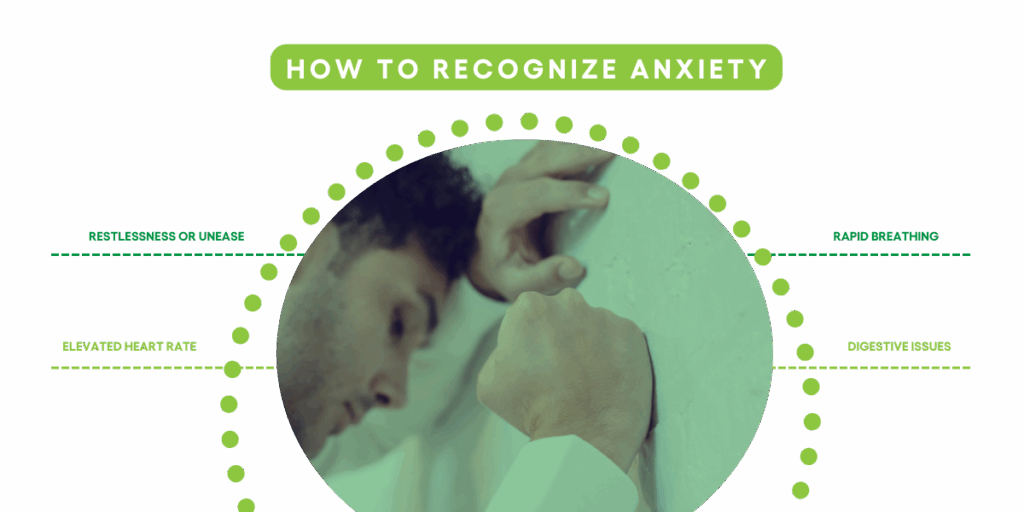
Anxiety is a type of mental health disorder that occasionally has physical symptoms as well as emotional and behavioral ones. That said, signs of anxiety will vary from person to person. Possible symptoms include:
If you feel like you’re experiencing these anxiety symptoms and starting to get overwhelmed, it’s time to seek professional mental health support. Southeastern Recovery Center offers treatment for anxiety in North Carolina that is personalized for each and every patient.

Anxiety can last anywhere from minutes to years. That said, it’s important to understand the difference between general anxiety and anxiety attacks.
Anxiety is a mental health disorder that can either have a short duration or long one, with treatment helping to prevent its more debilitating effects. Anxiety is generally considered a chronic condition because of its long duration, though how severe it is will increase and decrease depending on stimuli.
Meanwhile, an anxiety attack is a sudden intense search of fear or nervousness that can create a sense of panic in an individual. Anxiety attacks tend to last from a few seconds to about 30 minutes.
At our Charlotte facility, patients experiencing general anxiety or frequent anxiety attacks will receive support and guidance to help alleviate their symptoms
Despite high prevalence rates, a significant share of North Carolina residents with anxiety disorders never receive professional care, facing cost barriers, provider shortages, and stigma. Charlotte and Mecklenburg County are not immune: local data show rising mental distress alongside strained behavioral health infrastructure. The figures below illustrate the size of the treatment gap for anxiety disorders across NC and the nation, and why specialized outpatient programs near Charlotte remain critically underutilized.
| Access Barrier or Treatment Gap | Size of the Gap | Geographic Level |
|---|---|---|
| Average delay between first anxiety symptoms and first professional treatment | 11 years on average [1] | National |
| NC adults who needed mental health care but did not receive it; share citing cost as the primary barrier | 452,000 adults; 44.8% blocked by cost [2] | North Carolina |
| NC youth ages 12 to 17 with depression who received no care in the past year | 53.2% received no treatment [2] | North Carolina |
| NC adults over-represented in out-of-network mental health billing compared to primary care | More than 7x more likely to be sent out-of-network for mental health than for general medical care [2] | North Carolina |
| US adults with GAD who are not receiving any treatment | 56.8% of the 6.8 million adults with GAD go untreated; only 43.2% receive care [3] | National |
| US adults who reported any GAD symptoms in 2024; share with moderate or severe symptoms | 21.7% had any symptoms; 7.4% had moderate or severe symptoms [4] | National |
| Social anxiety disorder patients who waited 10 or more years before seeking help | 36% reported symptoms for over a decade before seeking care [3] | National |
| US adolescents with anxiety disorder experiencing severe functional impairment | 8.3% have severe impairment yet fewer than half engage with treatment [5] | National |
| Adults with depression who are also diagnosed with an anxiety disorder | Nearly 50% of those diagnosed with depression carry a concurrent anxiety diagnosis [3] | National |
| US adults with moderate or severe GAD symptoms requiring clinical attention (2024) | 7.4%, including 2.7% with severe symptoms [4] | National |
Sources: [1] The Charlotte Observer – Mental Health Care Access in Charlotte, NC – https://www.charlotteobserver.com/news/local/article306015686.html [2] NAMI North Carolina State Fact Sheet (2021) – https://www.nami.org/wp-content/uploads/2023/07/NorthCarolinaStateFactSheet.pdf [3] Anxiety and Depression Association of America – Facts and Statistics – https://adaa.org/understanding-anxiety/facts-statistics [4] SAMHSA 2024 NSDUH Data Brief: Symptoms of Generalized Anxiety Disorder – https://www.samhsa.gov/data/report/2024-nsduh-data-brief-gad-symptoms [5] National Institute of Mental Health – Any Anxiety Disorder Statistics – https://www.nimh.nih.gov/health/statistics/any-anxiety-disorder
At Southeastern Recovery Center, our approach to treating anxiety in ways both scientific and compassionate. We know that every individual’s underlying cause of anxiety will vary, so we want to equip our patients with the tools they need to fight this chronic condition. We do this through offering a variety of treatments:
Whether you’re coming to us from Fayetteville, Raleigh, Charlotte, Greensboro, Concord, or any other area in North Carolina know that all patients receive the same comprehensive, personalized care to guide the path towards dealing with anxiety.
Yes, you can have anxiety attacks without having anxiety disorder. This can be due to a specific stressor causing you to have increased nervousness.
The difference between feeling anxious vs. having anxiety disorder is that feeling anxious is a normal, temporary feeling while anxiety disorder is more persistent and more severe.
Anxiety disorder lasts anywhere from weeks to months due to being a chronic condition. This is why it’s important to know how to properly handle phases when anxiety is more severe.
Yes you can treat anxiety at home to a degree, especially with using breathing techniques and grounding strategies for an anxiety attack. That said, at-home treatment for anxiety may fail to address the underlying causes of anxiety disorder, leading to recurring symptoms that can get worse over time. That’s why it’s important to seek professional help for symptoms.
The co-occurrence of anxiety disorders and substance use disorders is not coincidental. It reflects shared neurological pathways, overlapping risk factors, and a well-documented pattern in which each condition makes the other significantly worse over time.
Research consistently shows that 33 to 45 percent of individuals with an anxiety disorder will develop a substance use disorder at some point in their lifetime. According to SAMHSA’s 2024 National Survey on Drug Use and Health, 21.2 million American adults are living with co-occurring mental health and substance use disorders, yet only 14.5 percent receive integrated treatment for both conditions. Clinical research identifies three primary pathways through which anxiety and addiction converge:
At Southeastern Recovery Center, dual diagnosis treatment begins with a comprehensive clinical assessment that identifies both conditions and the specific ways they are interacting in your case, because the treatment plan that works is the one built around the full picture.
This is one of the most clinically important questions in dual diagnosis treatment, and the answer shapes how your care plan is structured.
Research shows that anxiety disorders predate substance use disorders in approximately 75 percent of cases. For most people with both conditions, the anxiety came first and the substance use developed as an attempt to manage it. But the relationship becomes bidirectional over time. Even if anxiety preceded substance use, long-term alcohol, opioid, or benzodiazepine use alters brain chemistry in ways that deepen and entrench anxiety, creating a reinforcing cycle that cannot be broken by addressing only one side of the equation. For some people, the sequence is reversed. The anxiety they experience is largely produced by chronic substance use and withdrawal rather than being a pre-existing condition. Alcohol and benzodiazepine withdrawal produce some of the most severe anxiety states that exist clinically. Stimulant withdrawal induces anxiety, paranoia, and crash-phase depression. This distinction matters in treatment because:
At Southeastern Recovery Center, the clinical intake assessment is designed to understand how these conditions are currently reinforcing each other, so that treatment can interrupt both cycles at once.
Alcohol produces real and immediate anxiety relief, which is exactly what makes it such an effective trap. The physiological reality is that alcohol worsens anxiety measurably over time, even as it continues to feel like it helps in the moment.
Alcohol enhances GABA activity in the brain, the same inhibitory neurotransmitter system that benzodiazepines target, producing genuine short-term reduction in anxiety, social inhibition, and physical tension. This is not a placebo effect. It is a real pharmacological response, and it explains why alcohol is the most commonly used substance for anxiety self-medication. The problem is what happens next. With regular use, the brain compensates by reducing its own GABA production and increasing excitatory neurotransmitter activity to maintain equilibrium. The result is a tolerance-and-rebound cycle. The same amount of alcohol produces less relief, and as alcohol clears the system, the excitatory rebound produces anxiety that is measurably worse than the original baseline. Research has specifically identified an “alcohol harm paradox” in anxiety patients. People with anxiety and mood disorders experience more severe alcohol use disorder symptoms and greater anxiety rebound on a drink-for-drink basis than people without anxiety disorders. The practical trajectory for someone using alcohol to manage anxiety includes:
At Southeastern Recovery Center, we treat the cycle, not just the anxiety and not just the alcohol use, because for most clients with this presentation, the two have become the same clinical problem.
Yes, and this is one of the most underrecognized risks in anxiety treatment. Physical dependence on prescribed benzodiazepines can develop within two to four weeks of regular use, even at the dose and frequency your doctor prescribed.
Benzodiazepines including Xanax (alprazolam), Klonopin (clonazepam), Valium (diazepam), and Ativan (lorazepam) are among the most commonly prescribed medications for anxiety disorders. They work, in the short term, by enhancing GABA activity and producing rapid, reliable anxiety relief. The clinical problem is their dependence liability. Research shows that one in four patients prescribed a benzodiazepine goes on to long-term use patterns associated with significant harm, and that for every ten additional days of prescription, the risk of long-term use nearly doubles. A further complication specific to people with anxiety: benzodiazepine use is independently associated with increased risk of mood disorders and substance use disorders, beyond just dependence on the benzo itself. The distinction between dependence and addiction is worth understanding:
Both require clinical support to address safely, and neither is the patient’s fault. If you are currently taking a prescribed benzodiazepine for anxiety and find that you need more to get the same effect, feel worse between doses, or notice that your anxiety is now more severe than before you started the medication, these are signs that your treatment picture needs to be reassessed. At Southeastern Recovery Center, we treat benzo-related dependence and addiction within the context of the underlying anxiety that led to the prescription, because stopping the medication without addressing the anxiety it was prescribed for is not complete treatment.
No, and the scientific evidence on this point has become substantially clearer in recent years, despite widespread belief to the contrary.
Cannabis is commonly used as self-medication for anxiety, and many users report genuine short-term subjective relief. The research on whether cannabis actually treats anxiety does not support its use as a therapeutic intervention, and the evidence for harm in anxiety patients specifically has grown stronger. The largest review of medicinal cannabis conducted to date found no evidence that cannabis effectively treats anxiety, depression, or PTSD. A major analysis of 35,000 individuals found a strong link between increasing cannabis use and worsening mental health symptoms. A 2025 study found that people self-medicating with marijuana had higher levels of paranoia, anxiety, and depression compared to those who were not using it for symptom management. For individuals with a history of addiction, the concerns are more specific:
At Southeastern Recovery Center, we help clients develop evidence-based strategies for managing anxiety that do not carry the risks of substance use, including CBT, trauma-focused therapy, experiential and holistic modalities, and the clinical skill-building that produces lasting change.
This is a genuinely difficult clinical question, and it is one of the most important reasons that a trained clinician needs to conduct a dual diagnosis assessment before any treatment plan is finalized.
Withdrawal from alcohol, benzodiazepines, opioids, and stimulants can produce anxiety symptoms that are clinically indistinguishable from an anxiety disorder at the moment they occur. Alcohol withdrawal produces elevated heart rate, sweating, and acute anxiety. Benzodiazepine withdrawal produces profound anxiety, panic-level symptoms, and severe insomnia. Opioid withdrawal produces intense psychological distress, agitation, and a pervasive sense of dread. Stimulant withdrawal produces a crash state that includes anxiety, depression, and paranoia. The distinguishing factor, in most cases, is time and clinical trajectory:
The complication is that many people with pre-existing anxiety have been using substances for years to manage it, making it genuinely difficult to know what their baseline anxiety level actually is until a period of sustained abstinence has been achieved. At Southeastern Recovery Center, the clinical assessment process is designed to monitor anxiety symptoms through the stabilization period so that treatment decisions are based on your actual clinical picture, not a distorted snapshot taken in the middle of withdrawal.
Yes, and for individuals with both anxiety and a history of substance use disorder, non-habit-forming medications are the clinically preferred first-line pharmacological option in most cases.
This is one of the most important questions to raise with a prescribing clinician, and it reflects exactly the kind of integrated thinking that good dual diagnosis treatment requires. The challenge specific to the anxiety-and-addiction population is that the medications most associated with rapid anxiety relief, benzodiazepines, carry substantial dependence risk for anyone with a history of substance use disorder. Fortunately, several effective, non-habit-forming pharmacological options are clinically established for anxiety treatment:
Medication is one tool within a comprehensive dual diagnosis treatment plan, not the plan itself. At Southeastern Recovery Center, any pharmacological component of anxiety care is embedded within and coordinated with the full therapeutic program, including CBT, trauma-focused care, and the behavioral and holistic skill-building that produces durable anxiety management without dependence on any medication.
Because the anxiety and the addiction are no longer two separate problems. They have become a single, mutually reinforcing system, and addressing only one half of that system leaves the other half intact to undermine whatever progress was made.
The research on this is consistent: individuals with co-occurring anxiety and substance use disorders who receive treatment for only one condition have worse outcomes than those who receive integrated dual diagnosis care. The mechanism is straightforward. If anxiety is left untreated while the addiction is addressed, the anxiety that originally drove substance use remains present and unmanaged. The removal of the substance also removes whatever numbing or suppression effect it was providing, which means anxiety often intensifies in early recovery, precisely when a person is least equipped to manage it. This is one of the most common and clinically predictable relapse pathways in early recovery. The reverse failure mode is equally real. Addressing anxiety through therapy or medication while active addiction continues prevents the neurological stabilization that genuine anxiety treatment requires. Effective anxiety treatment cannot take root in a brain that remains in active substance use. Two clinical realities make integrated treatment necessary, not just preferable:
At Southeastern Recovery Center, we do not offer standalone anxiety treatment, and we do not offer addiction treatment that sets co-occurring anxiety aside. Our program exists specifically for this clinical intersection, because partial treatment of a dual diagnosis is not treatment at all.
Anxiety is one of the most consistent and well-documented relapse triggers in substance use disorder recovery. For individuals whose substance use began as an attempt to manage anxiety, it represents a specific and ongoing vulnerability that must be actively addressed throughout treatment and beyond.
The connection is direct. If anxiety was the original driver of substance use, and if anxiety management is not a core and sustained part of the recovery plan, then every significant anxiety episode becomes a potential relapse moment. Research on relapse patterns consistently identifies emotional distress, and anxiety specifically, as a primary internal trigger for return to substance use. There is an additional challenge in early recovery: anxiety frequently intensifies before it improves. Withdrawal, neurological adjustment, and the removal of the substance that was previously dampening anxiety can produce a period where anxiety symptoms are more severe than they were during active use. This is one of the highest-risk windows in the recovery process. The clinical tools that Southeastern Recovery Center integrates into dual diagnosis treatment to address this vulnerability directly include:
The goal is not to eliminate anxiety. It is to make sure that when anxiety arises, you have a practiced, effective response available that does not involve a substance.
Getting started requires one phone call, and the sooner that call is made, the sooner both the anxiety and the addiction begin receiving the integrated clinical attention they require.
At Southeastern Recovery Center, the admissions process is designed to be as accessible as possible, because we understand that living with both anxiety and active addiction can make the act of reaching out feel genuinely overwhelming. Here is what the process looks like from first contact to treatment start:
Living with both anxiety and addiction is exhausting. Integrated treatment designed specifically for this combination offers a qualitatively different experience than having each condition treated as though the other one does not exist.
An individual’s anxiety can impact the entire family. At the same time, familial support can play a significant role in helping someone cope with their anxiety disorder.
Families in Charlotte and throughout North Carolina can help by:
At Southeastern Recovery Center, we provide family programs that help loved ones rebuild trust, improve communication, and create a shared understanding of living with anxiety.
Though we help our patients get the worst of the anxiety and anxiety attacks, anxiety disorder is a chronic condition. This means an individual is to be prepared to deal with low points throughout their lives.
This includes helping patients know how to handle future anxiety attacks through the use of techniques such as:
There is no shame in trying several treatment methods or discovering that something that helped with your anxiety doesn’t work the next. Handling anxiety is an ongoing, involving process.
Anxiety disorders that go unaddressed do not simply plateau; they escalate into serious physical, cognitive, and social harms. Research consistently shows that untreated anxiety raises mortality risk, drives emergency department utilization, and deepens economic hardship for individuals and communities across North Carolina. The data below highlight what is at stake when anxiety treatment in the Charlotte, NC area is delayed or avoided.
| Untreated Anxiety Consequence | Documented Outcome or Cost | Who Is Affected |
|---|---|---|
| Increased all-cause mortality among people with diagnosed anxiety disorders | Mortality rate ratio of 1.66 compared to the general population [1] | Adults with anxiety disorders, nationally |
| Elevated risk of death from unnatural causes including suicide, accidents, and homicide | Unnatural death MRR of 2.46; people with anxiety plus depression face an MRR of 11.72 for unnatural causes [1] | Adults with anxiety disorders, nationally |
| Functional impairment across work, school, relationships, and daily life | 22.8% experience serious impairment; 33.7% experience moderate impairment [2] | US adults with any anxiety disorder |
| Surge in anxiety-related emergency department visits (as of January 2026) | 2,448 per 100,000 ED visits nationally; average ED evaluation costs $1,300 per visit [3] | National ED system |
| Direct global healthcare cost of anxiety disorders annually | Up to $6.5 trillion, representing 2.08% of all healthcare-related expenditures worldwide [4] | Global healthcare systems |
| Anxiety disorders as a disproportionate driver of US psychiatric spending | Comprise more than 30% of total US psychiatric disorder expenditures [4] | US healthcare system |
| Lost workplace, school, and household productivity from anxiety and depression combined | $1 trillion per year globally in lost productivity [5] | Global workforce and communities |
| NC lives lost to suicide and NC adults who reported suicidal ideation in the past year | 1,494 NC suicide deaths; 358,000 NC adults had thoughts of suicide [6] | North Carolina residents |
| School dropout risk for NC high school students with depression linked to anxiety | Students with depression are more than 2x more likely to drop out than their peers [6] | NC high school students |
| Anxiety as a gateway to co-occurring substance use disorder and depression | Anxiety raises the risk of developing depression, SUD, and suicidal behavior [5] | General population |
| NC homeless residents living with serious mental illness | 9,280 NC residents are homeless; 1 in 7 lives with a serious mental illness [6] | North Carolina |
| SERC dual-diagnosis treatment for co-occurring conditions | SERC treats anxiety co-occurring with SUD, PTSD, depression, and bipolar disorder through CBT, DBT, trauma-informed care, and holistic modalities [7] | Charlotte and Mecklenburg County, NC |
Sources: [1] Meier et al. (2016) – Increased Mortality Among People With Anxiety Disorders – PMC – https://pmc.ncbi.nlm.nih.gov/articles/PMC5082973/ [2] National Institute of Mental Health – Any Anxiety Disorder Statistics – https://www.nimh.nih.gov/health/statistics/any-anxiety-disorder [3] CDC National Syndromic Surveillance Program – Mental Health ED Visit Data (January 2026) – https://www.cdc.gov/mental-health/about-data/emergency-department-visits.html [4] Baumgartner et al. (2023) – The Burden of Anxiety Among a Nationally Representative US Adult Sample – ScienceDirect – https://www.sciencedirect.com/science/article/pii/S016503272300530X [5] World Health Organization – Anxiety Disorders Fact Sheet – https://www.who.int/news-room/fact-sheets/detail/anxiety-disorders [6] NAMI North Carolina State Fact Sheet (2021) – https://www.nami.org/wp-content/uploads/2023/07/NorthCarolinaStateFactSheet.pdf [7] Southeastern Recovery Center – Dual Diagnosis Treatment – https://serecoverycenter.com/dual-diagnosis/
Finding the right treatment center in Charlotte, NC for anxiety can feel overwhelming. Here are key factors to look for:
At Southeastern Recovery Center, we meet all of these criteria and more. Our focus is on holistic treatment that addresses the underlying factors that lead to needing treatment for anxiety in the first place.
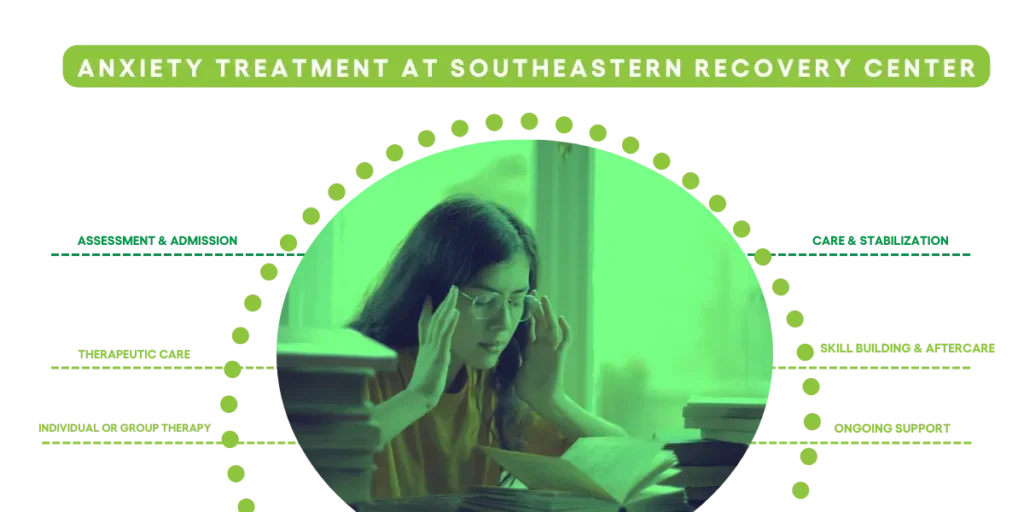
From your first phone call to the day you graduate from treatment, our team provides step-by-step support.
Our mission is simple: to provide the highest level of mental health rehab possible so that every client leaves stronger, healthier, and ready to thrive.

At Southeastern Recovery Center, we believe anxiety treatment isn’t a one-off thing, it’s arming an individual with tools they can use for the rest of their life. Our Charlotte-based facility provides a safe, welcoming space where clients can focus fully on long-term treatment.
We serve individuals from Charlotte, Concord, Gastonia, Huntersville, Raleigh, and throughout North Carolina who are seeking trusted, compassionate care for anxiety and anxiety attacks.
Our experienced team, state-of-the-art facility, and commitment to personalized care make us a leading choice for North Carolinians seeking to alleviate depression.
If you or a loved are struggling with anxiety, please reach out to our team today. Many treatment centers take a one-size-fits-all approach when treating mental health disorders which isn't effective...At SERC, we understand that each client has their own story which led them to seeking help. We put emphasis on individualized care, tailoring treatment based on the specific needs of each client.

Reach Out For Help! ⮕
Create A Recovery Plan! ⮕

Begin The Healing Process! ⮕
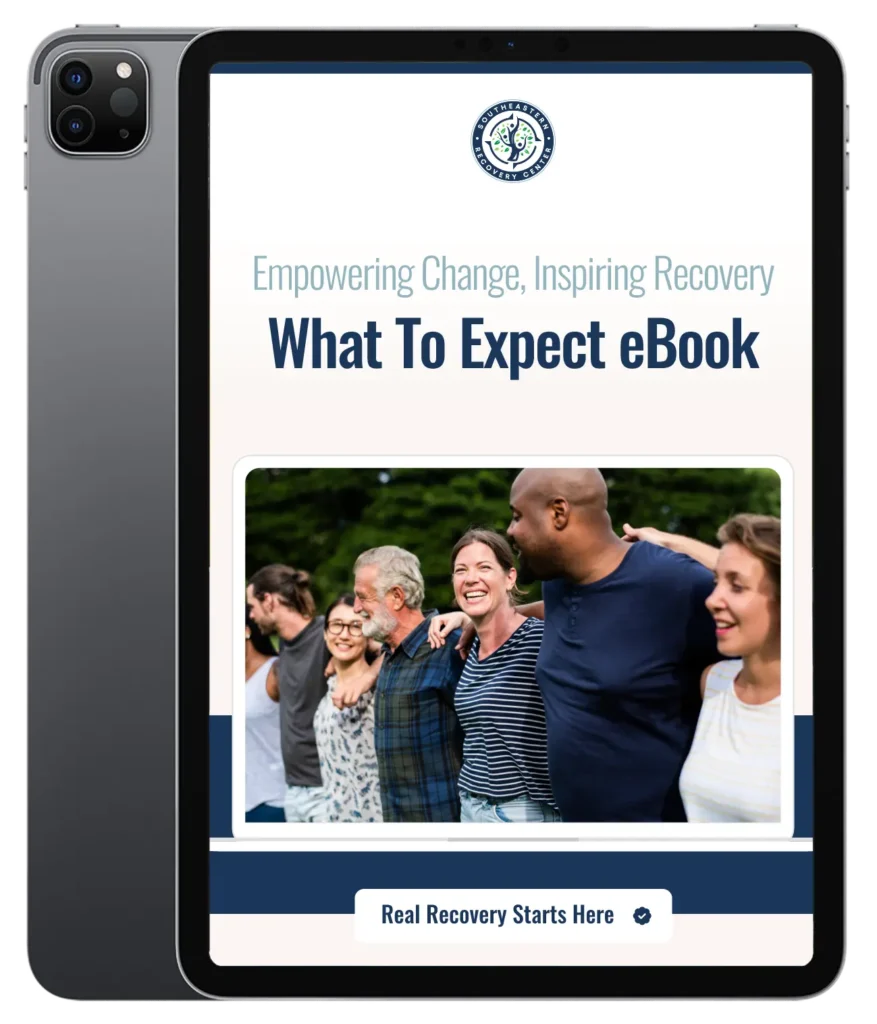
If you or a loved one are interested in learning more about what to expect when getting mental health treatment, please fill out our brief form and download the eBook. You can also give our admissions team a call & we would be happy to answer any questions you may have. Help is only a call away!
![Southeast (2) [Recovered]-07 2](https://serecoverycenter.com/wp-content/uploads/2023/08/Southeast-2-Recovered-07-2.webp "Southeast (2) [Recovered]-07 2")