Infidelity is one of those topics nobody wants to deal with but far too many people face. When you add addiction into that mix — whether it’s substance misuse, compulsive sexual behavior, emotional avoidance, or all three — everything gets even more complicated. Addiction doesn’t just change someone’s habits; it alters judgment, impulse control, emotional stability, intimacy, and how a person shows up in their relationships. Combine that with the shame and secrecy that fuel both affairs and addiction, and you’ve got a perfect storm that can destroy even the strongest foundation.
The public loves to gawk at celebrity scandals, but what plays out on magazine covers is really just a spotlight version of what millions of couples experience privately. These stories are sensationalized for entertainment, sure — but underneath, the patterns are human, painful, and incredibly common.
National surveys estimate that 25% of men and 10–15% of women cheat during marriage.
Why Addiction and Affairs Often Overlap
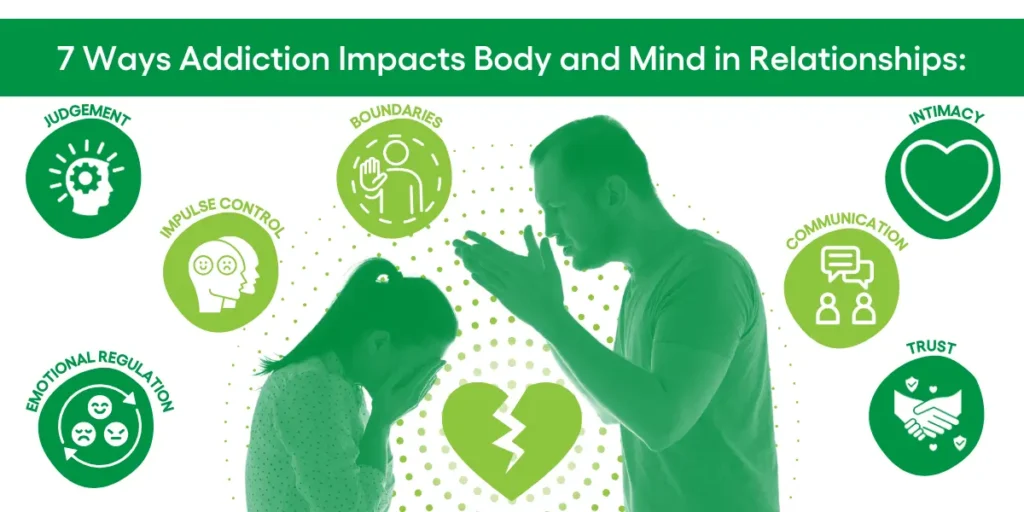
Addiction doesn’t “cause” cheating, but it absolutely creates all the conditions that make cheating more likely. Addiction is a full-body, full-brain disorder that impacts:
- judgment
- impulse control
- emotional regulation
- intimacy
- communication
- trust
- boundaries
Here’s how these pieces fit together.
1. Addiction Lowers Inhibitions and Impairs Judgment
The prefrontal cortex — the part of the brain used to weigh consequences, regulate impulses, and make thoughtful decisions — is heavily impacted by alcohol and drugs. When this part gets quiet, impulsive behaviors get louder.
People who would normally never consider cheating may act out under the influence, simply because the “braking system” in their brain isn’t functioning the way it should.
Alcohol, especially, is a major driver of risky decisions. It increases impulsivity, reduces inhibitions, and heightens emotional reactivity – that combination is a dangerous recipe for infidelity.
2. Addiction Creates Emotional Distance
Addiction thrives in secrecy — and secrecy creates distance. Partners of individuals struggling with addiction often report:
- feeling emotionally alone
- unpredictable moods
- broken promises
- trust issues
- loneliness inside the relationship
- communication breakdowns
- resentment
When the emotional core of a relationship weakens, outside validation can become tempting. Affairs often start slowly — emotional closeness, venting, seeking comfort — long before anything physical happens.
3. Some Affairs Become Addictions Themselves
While some infidelity happens in moments of poor judgment, many affairs follow an addictive cycle:
- Craving
- Ritual (flirting, texting, planning)
- Acting out
- Guilt and collapse
- Relapse into the same pattern
A University of Denver study showed that people who cheat once are three times more likely to cheat again.
For some people, affairs provide a dopamine spike that becomes psychologically addictive — similar to gambling, porn, or compulsive shopping.
4. Addiction and Infidelity Create a Vicious Feedback Loop
This is where things get really messy:
- Addiction → lowers judgment → affair
- Affair → leads to shame → more substance use
- Substance use → increases conflict → more emotional distance
- Emotional distance → increases vulnerability → more infidelity
Without treatment, couples get locked into a cycle that feels impossible to escape.
Celebrity Stories: How Addiction and Infidelity Fueled Highly Public Collapses
Celebrities make headlines, but their stories are just bigger versions of what happens quietly in everyday relationships. Below are narrative-style look at how addiction and infidelity collided in several high-profile lives.
Tiger Woods: A Public Meltdown Fueled by Hidden Pain
Tiger Woods’ downfall wasn’t just one scandal — it was years of pressure, avoidance, and untreated emotional struggles finally erupting.
In 2009, allegations of multiple affairs surfaced. What started as a single story turned into a global media frenzy. Voicemails leaked. Text messages were published. Women came forward one after another.
Tiger withdrew from public life, issued a public apology, and eventually went into treatment for what was widely reported as compulsive sexual behavior. The addiction piece didn’t end there. In 2017, Tiger was arrested after being found asleep in his car. The toxicology report showed five prescription medications in his system: painkillers, a sleeping aid, and anti-anxiety medications.
What the world saw as “scandal” was actually a person spiraling — emotionally, chemically, and relationally. His story shows how unresolved pain, unmanaged stress, and addiction can collide with devastating consequences.
Charlie Sheen: Cocaine, Chaos & Repeated Betrayals
His infamous public moments — the interviews, the meltdowns, the custody battles — all highlighted the same core issue: untreated addiction leads to poor boundaries, impulsive choices, and catastrophic relational fallout.
Charlie Sheen’s life played out like a real-time example of what happens when addiction becomes the driver of every major decision. His struggle with cocaine and alcohol wasn’t hidden — it was front and center.
Sheen’s marriages were repeatedly affected by infidelity, erratic behavior, and destructive decision-making. Reports detailed spiraling drug use, violent outbursts, and hiring sex workers while in relationships.
Charlie’s story may have been entertaining to some, but to anyone who has lived with addiction (their own or someone else’s), it looked painfully familiar.
Lamar Odom: Trauma, Cocaine & Affairs Used as Emotional Escape
Lamar’s story shows how deeply addiction intertwines with trauma, loneliness, and emotional avoidance — and how affairs often become part of that escape.
Lamar Odom’s story is heartbreaking because it highlights the emotional wounds beneath addiction. Before fame, Lamar endured multiple tragedies — including losing a child — and his emotional pain shaped his coping mechanisms.
During his marriage to Khloé Kardashian, Lamar’s cocaine use escalated, and so did his compulsive sexual behavior. He later admitted to having more than 20 affairs while married — not because he didn’t love his wife, but because he didn’t know how to cope with his emotional pain.
His near-fatal overdose in 2015 was the culmination of trauma, drug addiction, and compulsive behavior spiraling out of control.
Ben Affleck: Alcohol, Relapse & the Quiet Breakdown of a Marriage
Affleck has spoken openly about the guilt he carries around his marriage ending and how his addiction played a major role in that loss.
Ben Affleck’s struggles were quieter and more private, but just as significant. For years, he battled alcohol addiction — through film roles, awards seasons, marriage, fatherhood, and public life.
As his drinking got worse, so did the emotional health of his marriage. Paparazzi frequently photographed him intoxicated in public. Multiple rehab stays followed. And during this time, rumors of infidelity swirled — especially in periods marked by emotional disconnection and secrecy.
Anthony Weiner: Compulsion Without Substances
His story is a reminder that addiction takes many forms — and that infidelity can be one of them.
Anthony Weiner is the clearest example that infidelity doesn’t need drugs or alcohol to become addictive. His repeated sexting scandals — even after losing his career, his marriage, and public trust — show a cycle of compulsion, secrecy, and escalating risk.
Weiner’s behavior checks every box for behavioral addiction:
- cravings
- inability to stop
- emotional escape
- risky decision-making
- extreme consequences
- immediate relapse
Why Affairs Hurt Even More When Addiction Is Involved
Partners dealing with infidelity often experience symptoms that look like trauma:
- hypervigilance
- intrusive thoughts
- fear, anxiety, or panic
- obsessive need for details
- loss of self-esteem
- depression
- difficulty trusting anyone
Add addiction into the equation, and the betrayal becomes layered:
“You lied about your addiction.”
“You lied about your behavior.”
“You lied about us.”
The emotional fallout is deeper, more complex, and harder to repair.
A study found that on infidelity found that 9% of individuals who died by suicide had discovered a partner’s infidelity within 24 hours prior to death, while 5% had engaged in infidelity themselves during that same period.
Healing Requires Treating Both the Addiction AND the Infidelity
One issue cannot be healed without the other. Trying to address only the addiction while ignoring the relational wound is incomplete — and vice versa.
Successful recovery includes:
- addiction treatment
- trauma therapy
- processing betrayal
- rebuilding emotional safety
- setting boundaries
- addressing compulsive patterns
- couples counseling
- emotional regulation skills
- long-term accountability
Healing isn’t instant, but it is absolutely possible.
FAQs About Infidelity and Addiction
Does addiction make someone cheat?
Addiction doesn’t force cheating, but the impaired judgment and emotional instability increase the likelihood.
Can affairs become addictive?
Yes — the dopamine cycles involved in secrecy, excitement, and relief can mimic behavioral addiction.
Why do people hide both infidelity and addiction?
Because both behaviors create shame, fear, and avoidance — secrecy is built into both patterns.
Can partners heal from addiction-related cheating?
Many do. With support, honesty, and boundaries, couples can rebuild healthier relationships.
Does sobriety automatically prevent cheating?
No — emotional wounds, compulsive patterns, and coping skills must also be addressed.
What are signs of compulsive sexual behavior?
Repeated affairs, escalating secrecy, risky decisions, emotional emptiness, or using affairs to escape emotions.
Should couples do therapy?
Yes — once the addicted partner stabilizes. Couples therapy is crucial for rebuilding trust and communication.
Healing Is Possible
If you or someone you love is facing addiction, compulsive behaviors, or the deep emotional pain caused by infidelity, now is the time to reach out for help.
Southeastern Recovery Center provides evidence-based treatment designed not only to help individuals break free from addiction but to support healing from the relational wounds addiction leaves behind. Recovery isn’t just about getting sober — it’s about rebuilding your life, your relationships, and your sense of self.
You deserve peace. You deserve support. You deserve a new beginning.
Sources
https://www.healthymarriageinfo.org/wp-content/uploads/2457.pdf
https://www.du.edu/news/once-cheater-always-cheater-du-study-examines-serial-infidelity
https://radaronline.com/exclusives/2010/04/new-details-charlie-sheen-cheating-paid-escort
https://people.com/lamar-odom-says-drugs-were-slipped-into-his-drink-before-2015-overdose-8777938
https://www.nytimes.com/2020/02/18/movies/ben-affleck.html
https://www.pbssocal.org/shows/metrofocus/clip/metrofocus-weiner-case-sex-addiction