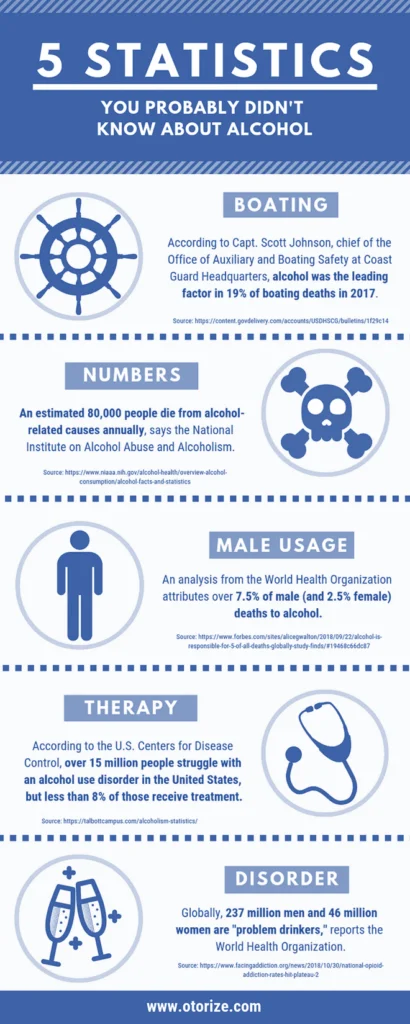
The 10 common signs of being an alcoholic include increased tolerance, loss of control over drinking, drinking to cope, withdrawal symptoms, secrecy, denial, mood changes, neglecting responsibilities, continued drinking despite consequences, and unsuccessful attempts to cut back or stop. At Southeastern Recovery Center, we help people understand that these signs are indicators of alcohol use disorder, not personal failure. Recognizing them early can make it easier to seek support and prevent further harm.
Being an alcoholic is commonly used to describe someone with alcohol use disorder, a medical condition that affects how the brain responds to alcohol.
Alcohol use disorder involves:
It can range from mild to severe and looks different from person to person.
Not everyone will experience all 10 signs, but the presence of several may indicate a serious problem.
Needing more alcohol to feel the same effects is often one of the earliest signs.
Tolerance develops as the body adapts to regular alcohol use.
This may include drinking more than intended or being unable to stop once drinking begins.
Loss of control is a key indicator that alcohol use has become problematic.
Using alcohol to manage stress, anxiety, sadness, or discomfort can signal dependence.
Over time, alcohol becomes the primary coping tool.
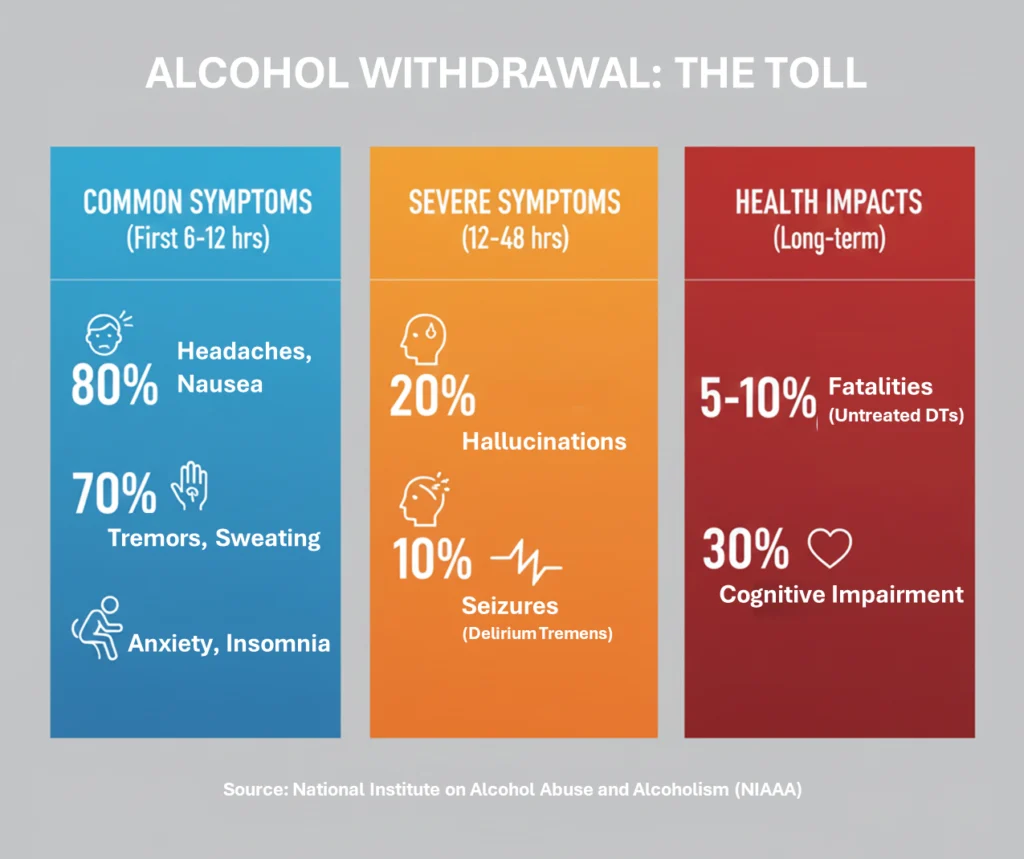
Withdrawal symptoms may include:
These symptoms indicate physical dependence and can be dangerous without medical support.
Hiding bottles, lying about drinking, or drinking alone are common signs that alcohol use is becoming hard to control.
People may downplay how much they drink or compare themselves to others to justify their behavior.
Denial often delays seeking help.
Alcohol can worsen anxiety, depression, and mood instability, especially between drinking episodes.
Loved ones may notice emotional shifts before the person does.
Alcohol use may interfere with work, school, family obligations, or self care.
Priorities often shift as drinking becomes more central.
This includes drinking despite health problems, relationship strain, or legal issues.
At this point, logic alone is often not enough to stop.
Repeated efforts to stop or reduce drinking that do not last are a strong sign of alcohol use disorder.
No. Some signs are subtle and develop gradually.
High functioning individuals may hide symptoms well, which is why education and awareness are so important.
It may be time to seek support if:
Early support can make recovery easier and safer.
At Southeastern Recovery Center, care is compassionate and individualized.
Treatment may include:
Support is available at every stage of recovery.
Alcoholism can feel isolating, but help is available. Recognizing the signs is a powerful first step. At Southeastern Recovery Center, we believe recovery is possible with understanding, support, and evidence based care. No one has to face alcohol use disorder alone.