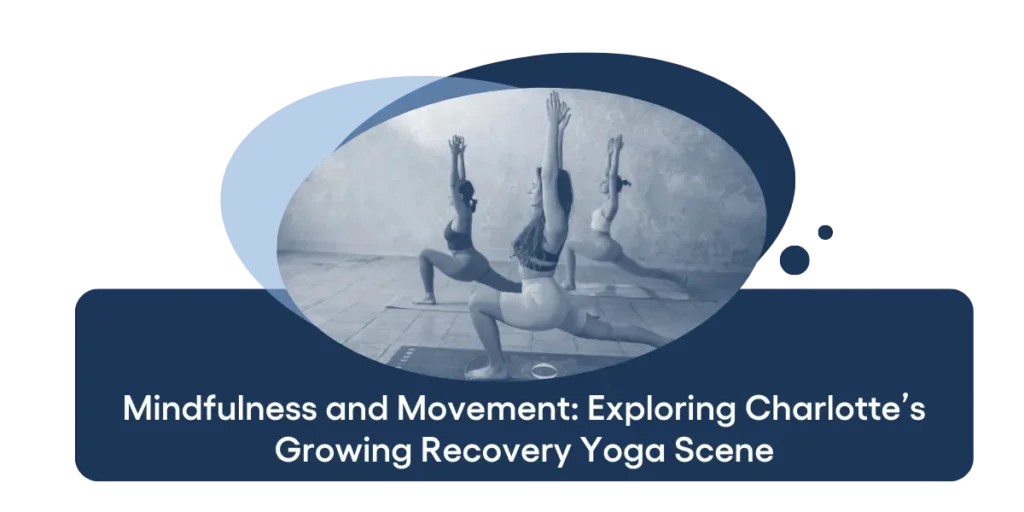
As North Carolina and other states across the United States continue contending with addiction to drugs and alcohol, new methods such as addiction recovery yoga are growing in popularity. In Charlotte, local studios such as Palestra, NAMI, and The Coterie are helping promote yoga as a holistic tool for maintaining mental clarity, which can help curb an individual’s reliance on drugs and alcohol. This is the exact type of healthy, science-based treatment that we embrace at Southeastern Recovery Center. We’ve long taught our patients that physical wellness can be a key component of addiction recovery, and yoga works twofold to promote both physical wellness and mental wellness. As we’ll cover in this article, the result is yoga functioning as an exercise tool that improves the outcomes for recovering addicts.
Article TL;DR: Yoga promotes both physical and mental health in a way that can help recovering addicts cope with stress and resist temptation or urges to abuse substances.
Article Preview:
How Yoga Contributes to Addiction Recovery. Yoga contributes to addiction recovery through promoting both physical health to mental health.
Yoga Concepts That Are Important to Recovering Addicts. Yoga concepts such as mindfulness, breastworks, and meditation can help addicts cope with stress and cravings for substances.
Types of Yoga That Can Help With Drug and Alcohol Addiction. Yoga types such as Vinyasa, Hatha, and Roga can help overcome drug and alcohol addiction.
Yoga Studios in Charlotte. Yoga studios in Charlotte such as Khali Yoga Center and The Coterie Wellness Studio provide yoga options.
Yoga Events in Charlotte. Yoga events such as the 2026 Recovery Dharma Global Summit allow former addicts to connect with other individuals using yoga to cope with recovery.
FAQs about Mindfulness and Movement: Exploring Charlotte’s Growing Recovery Yoga Scene. Learn the answers to frequently asked questions about yoga.
How Yoga Contributes to Addiction Recovery
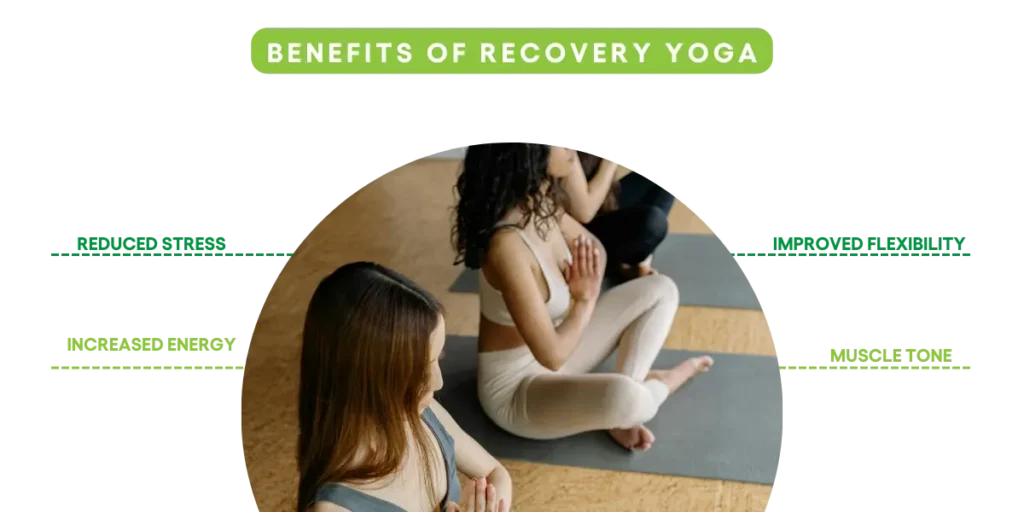
Yoga contributes to addiction recovery through promoting both physical health and mental health. Yoga also has indirect impacts that can improve an individual’s overall quality of life. Several have found that yoga helps individuals improve their eating habits, which promotes a higher quality of sleep.
Other potential benefits of yoga include:
- Improved flexibility
- Reduced stress
- Increased energy
- Increased muscle tone
- Weight reduction
- Better cardio and circulatory health
At Southeastern Recovery Center, we often work to help our patients tackle the underlying causes of their drug or alcohol addictions. Stress and concerns about health sometimes lead individuals to self medicate with drugs or alcohol. Thankfully, yoga presents a much healthier alternative that can address these concerns and more, all at once.
Scientific knowledge of the applications of yoga in addiction recovery is still developing. A very recent 2026 study conducted by Harvard reported that yoga can help cut severe, initial opioid withdrawal periods in half. As the report stated, “Yoga and other meditative practices promote the parasympathetic nervous system, calming the body and regulating breathing and heart rate.” Such usage would help reduce the impact of opioid withdrawal symptoms, which can lead an individual to relapse.
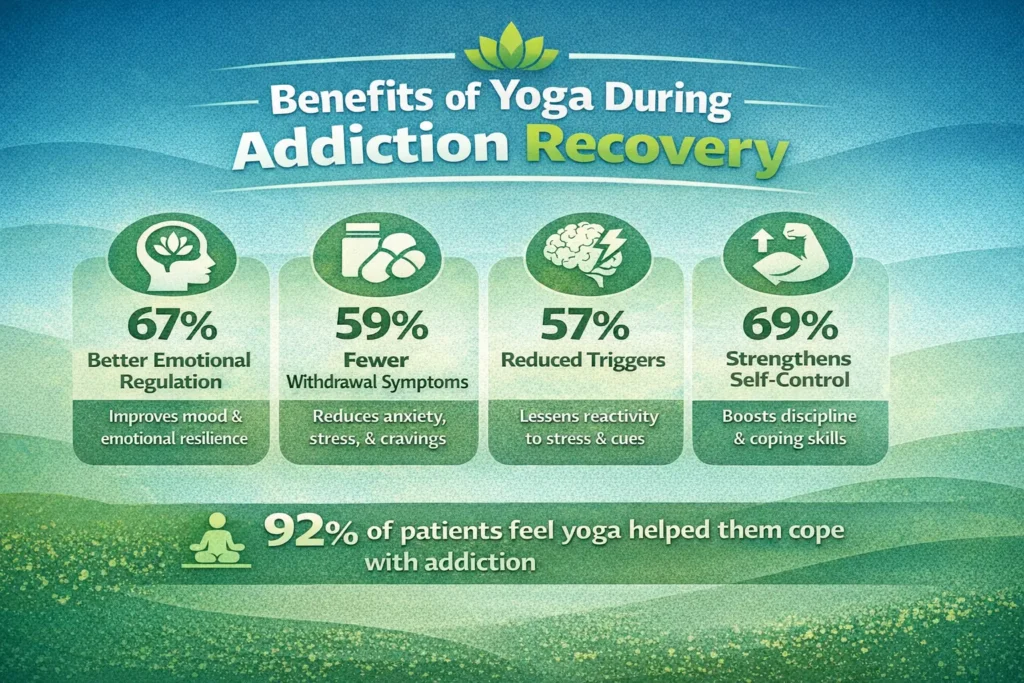
Yoga Concepts That Are Important to Recovering Addicts
So what is it that is making yoga therapy for addiction recovery grow more popular? It comes down to several of the core concepts that are covered in yoga.
Mindfulness: Yoga is all about mindfulness, which refers to the state of being more consciously aware of yourself. This includes focusing on your breath, your body, and how different movements feel in your muscles and limbs. This concept can help recovering addicts better understand the impulses in their body that might lead to them grabbing a can of beer or feeling the need to take an illicit substance.
Breathwork: Breathwork refers to the different techniques used in yoga to control the flow air into the lungs. This ends up being an important concept for pushing an individual’s body, but it also forces them to focus. That concept of focusing on your breath work can be used to calm an individual down, it can later be applied in recovering addicts when they’re feeling agitated or suffering from anxiety. Rather than trying to self medicate with a substance, they can turn back to breathwork concepts as a healthy alternative.
Meditation: Yoga also incorporates meditation, which teaches individuals to sit still and increase their attention spans. In the modern world, our attention is constantly being fought for, which can contribute to anxiety and stress. Individuals suffering from chronic stress may have difficulty maintaining alertness, and may turn to self-medicating with drugs or alcohol. Yoga and meditation help combat this.
How Yoga Practices Support Addiction Recovery: Benefits for Stress, Cravings, and Mental Health
| Yoga Practice | What It Looks Like in Class | Recovery Challenge It May Help Address | Why It Can Be Helpful in Recovery | Practical Example for Someone in Recovery |
|---|---|---|---|---|
| Mindfulness | Paying attention to breathing, body movement, and sensations during poses without judgment | Impulsive behavior, emotional reactivity, and difficulty recognizing cravings | Mindfulness helps individuals become more aware of internal triggers before acting on them | A person notices rising anxiety or craving sensations and pauses to breathe instead of immediately reacting |
| Controlled Breathwork | Guided breathing patterns such as slow inhale/exhale cycles or diaphragmatic breathing | Anxiety, agitation, panic, and stress-related cravings | Breath regulation activates the parasympathetic nervous system, helping calm the body and mind | When a craving hits, a person practices a 4–6 breathing pattern learned in yoga instead of reaching for alcohol |
| Physical Movement | Stretching, strengthening, and balancing through yoga postures | Restlessness, low energy, or physical tension common in early recovery | Physical activity helps release tension, improve circulation, and rebuild healthy routines | Someone recovering from substance use attends a gentle yoga class to replace sedentary habits |
| Meditation | Sitting quietly with guided focus on breathing or mental awareness | Racing thoughts, stress, and difficulty concentrating | Meditation can improve emotional regulation and mental clarity over time | A person practices a 5–10 minute meditation session each morning before work or school |
| Stress Reduction | Combining breathing, movement, and relaxation techniques | Stress and burnout that often trigger substance use | Lower stress levels reduce one of the most common relapse triggers | Instead of self-medicating after a stressful day, a person attends a yoga class |
| Body Awareness | Learning to notice muscle tension, posture, and physical sensations | Disconnection from the body caused by long-term substance use | Increased body awareness helps individuals better recognize fatigue, stress, or emotional discomfort | Someone learns to recognize early physical tension that previously led to substance use |
| Healthy Routine Building | Attending classes consistently or incorporating yoga into daily habits | Lack of structure or routine in early recovery | Structured activities create positive habits and reduce idle time that may lead to cravings | Attending a weekly yoga class becomes part of a person’s recovery schedule |
| Community Support | Participating in yoga classes, recovery yoga groups, or wellness events | Isolation and loneliness, which can increase relapse risk | Supportive environments help individuals feel connected and encouraged | Someone meets other individuals focused on wellness at a recovery-oriented yoga event |
| Emotional Regulation | Using breathing and mindfulness techniques during difficult emotions | Anger, frustration, sadness, or emotional volatility | Yoga techniques provide a non-destructive outlet for emotional release | A recovering individual uses breathing exercises learned in yoga during moments of frustration |
| Long-Term Wellness | Continued practice supporting sleep, flexibility, and overall health | Physical decline, fatigue, or unhealthy coping habits | Improving overall wellness can strengthen resilience and recovery outcomes | A person maintains yoga practice as part of their broader lifestyle after treatment |
Types of Yoga That Can Help With Drug and Alcohol Addiction
When considering types of yoga for addiction recovery, there are many different options. These include:
- Hot yoga
- Vinyasa (flow yoga)
- Hatha (slow-paced)
- Roga (Yoga that incorporates foam rollers)
Because the core concepts of yoga largely remained the same, many of the options should serve just fine. However, consulting with medical professionals can help you be placed in yoga classes for addiction recovery that are more likely to suit your needs. What’s most important is finding a type of yoga that you can stick with.
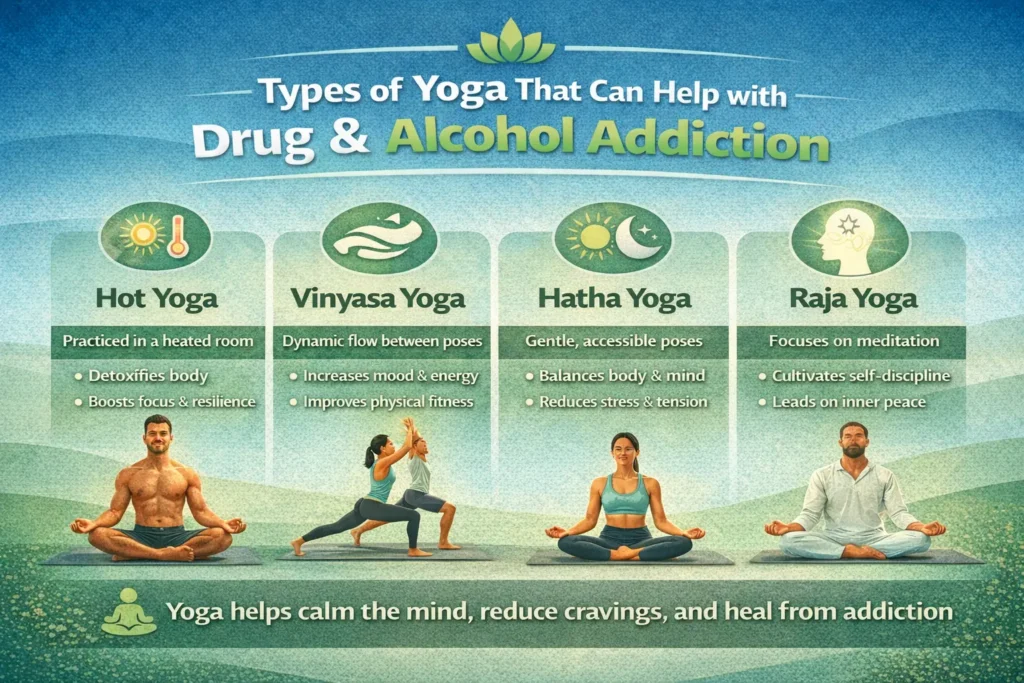
Best Types of Yoga for Addiction Recovery: Comparing Hatha, Vinyasa, Hot Yoga, and More
| Type of Yoga | What This Style Focuses On | Why It Can Be Helpful in Addiction Recovery | Best Fit For | Things to Consider Before Starting |
|---|---|---|---|---|
| Hatha Yoga | Slow-paced movements with a focus on basic poses, breathing, and balance | Helps individuals ease into yoga while learning breath control and mindfulness, both of which can reduce stress and emotional reactivity | Beginners, individuals new to exercise, or people in early recovery who want a gentle start | Classes are typically slower and less physically intense, which some people may find calming while others may want more activity |
| Vinyasa (Flow Yoga) | Continuous movement that links breathing with flowing poses | The rhythm of movement and breathing can help improve focus, release built-up stress, and provide a healthy physical outlet | Individuals who prefer a more active style of yoga or want a workout-like experience | Classes can move quickly, so beginners may need an introductory class before joining intermediate sessions |
| Hot Yoga | Yoga practiced in a heated room designed to increase sweating and flexibility | Some people find the intensity helps them feel physically reset while improving circulation and endurance | Individuals comfortable with heat who enjoy physically challenging exercise | Not always ideal for people in early recovery, dehydration risk, or certain medical conditions |
| Roga (Yoga + Foam Rolling) | Combines traditional yoga poses with foam rolling and muscle recovery techniques | Helps relieve physical tension and muscle tightness that can build up from stress or inactivity | Individuals who want yoga combined with physical recovery and mobility work | Because it combines techniques, instruction quality and class structure can vary between studios |
| Restorative Yoga | Very slow, supported poses held for longer periods to promote relaxation | Encourages deep relaxation and nervous system regulation, which may help people experiencing anxiety or emotional stress | Individuals dealing with high stress, anxiety, or sleep difficulties | This style focuses more on relaxation than physical intensity |
| Recovery-Focused Yoga Classes | Yoga sessions specifically designed for individuals in addiction recovery | Often incorporate mindfulness, meditation, and supportive group environments centered around recovery | People who want a wellness practice aligned with sobriety or recovery principles | Availability may vary depending on location and local recovery communities |
Yoga Studios in Charlotte
Thankfully, Charlotte, North Carolina has plenty of yoga studio options for individuals who want to start incorporating yoga into their addiction recovery. Well-received options include:
If you have difficulty trying to figure out which yoga classes would be best for you, speaking with the yoga instructors and medical professionals can help you narrow in on the best possible option for your health goals.
Yoga Events in Charlotte
For individuals who are hesitant to commit to regular yoga classes for recovery, there are various yoga events that happened in Charlotte and across North Carolina that allow you to get a feel for how beneficial yoga practice can be for mental and physical health.
One major example coming up is the 2026 Recovery Dharma Global Summit. Recovery Dharma specifically focuses on the use of yoga to help individuals recover from substance use disorders. This nonprofit organization helps attendees come together to support each other in meetings and workshops, and is a great opportunity for individuals to connect with other recovering drug or alcohol addicts who are benefiting from yoga practice.
FAQs about Mindfulness and Movement: Exploring Charlotte’s Growing Recovery Yoga Scene
Can yoga cure addiction?
Yoga is not thought of as an addiction cure, but it does help address underlying factors that lead to individuals developing addictions or relapsing after receiving treatment.
What are the benefits of using yoga for addiction recovery?
The benefits of using yoga for addiction recovery include having a healthier way to cope with stress and anxiety, improving mental and physical health, and getting a boost of energy.
What yoga concepts help with battling addiction?
Mindfulness, breathwork, and meditation are all yoga concepts that help individuals battle addiction by being more aware of their body and mind.
Do I have to commit to yoga for an extended period of time to try it out?
No, you do not have to commit to yoga for an extended period of time to try it out. Classes and events like the 2026 Recovery Dharma Global Summit allow individuals to get a feel for how yoga can help them mentally and physically before they commit.
Sources:
Powell, Alvin. “Yoga Can Help Cut Severe, Initial Opioid-Withdrawal Period in Half, Study Finds.” Harvard Gazette, 24 Feb. 2026, news.harvard.edu/gazette/story/2026/02/yoga-can-help-cut-severe-initial-opioid-withdrawal-period-in-half-study-finds/.
Liu, Qingjin, et al. “Impact of Chronic Stress on Attention Control: Evidence from Behavioral and Event-Related Potential Analyses.” Neuroscience Bulletin, vol. 36, no. 11, 15 Sept. 2020, pp. 1395–1410, www.ncbi.nlm.nih.gov/pmc/articles/PMC7674527/, https://doi.org/10.1007/s12264-020-00549-9.