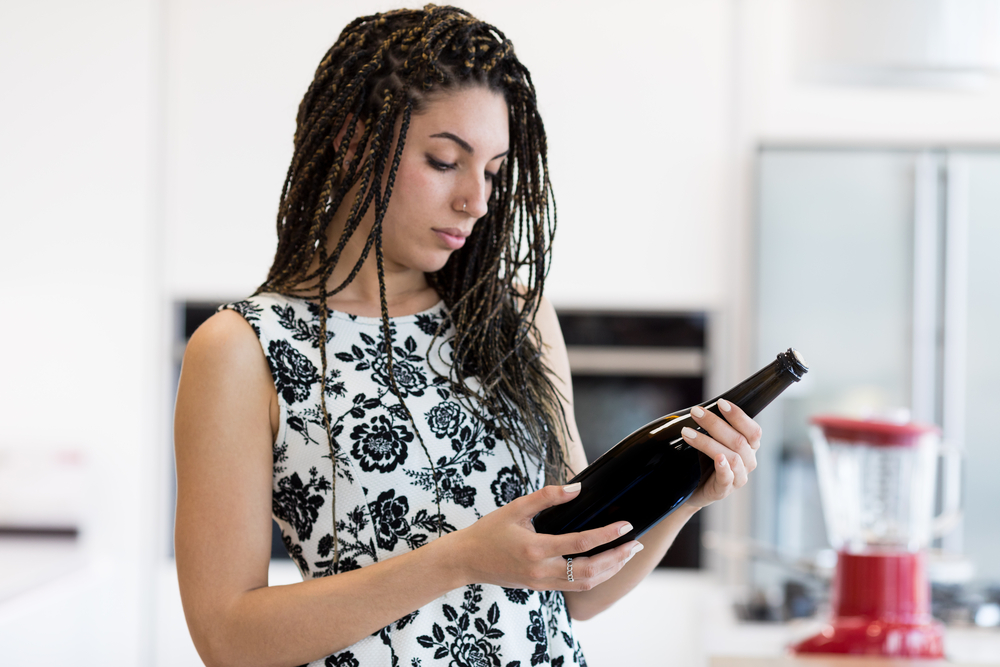
Major interactions can occur when mixing trazodone and alcohol – it can pose serious health risks up to and including extreme side effects.
Trazodone is a commonly prescribed antidepressant and sleep aid used to treat conditions such as depression, anxiety, and insomnia. It is often considered effective in improving mood and sleep patterns, but combining trazodone with alcohol can pose significant health risks. Understanding these risks is crucial to ensuring your safety if you are prescribed trazodone or considering alcohol consumption while on this medication.
What is Trazodone?
Trazodone belongs to a class of medications called serotonin modulators. It works by altering serotonin levels in the brain to stabilize mood and promote restful sleep. Physicians often prescribe trazodone to manage depression, anxiety disorders, and insomnia. It is also used off-label for conditions like fibromyalgia and chronic pain.
How Does Trazodone Work?
Trazodone enhances the brain’s serotonin activity, a neurotransmitter responsible for regulating mood, sleep, and emotions. It is often prescribed as an alternative to selective serotonin reuptake inhibitors (SSRIs) for patients who experience adverse effects from other antidepressants.
Common Side Effects of Trazodone
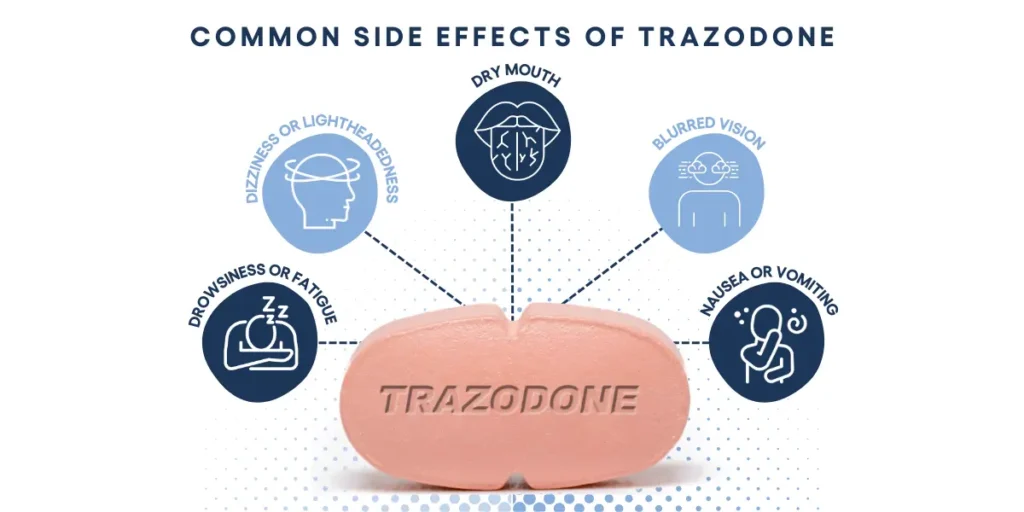
Trazodone is generally well-tolerated when taken as prescribed, but like any medication, it can cause side effects. These side effects vary in severity and may be more pronounced during the initial stages of treatment or when dosage adjustments are made. Below are the most commonly reported side effects of trazodone:
1. Drowsiness or Fatigue – Trazodone has a sedative effect, which is why it is often prescribed to treat insomnia. However, this drowsiness can sometimes extend into daytime hours, leading to a sense of fatigue and difficulty concentrating.
2. Dizziness or Lightheadedness – Trazodone can lower blood pressure, which may result in dizziness or a feeling of lightheadedness, especially when standing up too quickly (a condition known as orthostatic hypotension). This side effect increases the risk of falls, particularly in older adults.
3. Dry Mouth – Dry mouth, or xerostomia, is another common side effect of trazodone. This can lead to discomfort, increased thirst, and, in some cases, dental issues if proper oral hygiene is not maintained.
4. Blurred Vision – Some individuals may experience blurred or unfocused vision while taking trazodone. This occurs due to the drug’s impact on certain receptors in the nervous system and may be temporary or persistent, depending on the dosage and individual tolerance.
5. Nausea or Vomiting – Trazodone can irritate the gastrointestinal tract in some people, leading to nausea or, in rare cases, vomiting. Taking the medication with food can help mitigate these symptoms.
Amplified Side Effects When Mixed With Alcohol
While these side effects are typically mild and manageable under normal circumstances, they can worsen significantly when trazodone is combined with alcohol. For example:
- Drowsiness or Fatigue: The sedative effects of trazodone and alcohol compound, causing extreme lethargy or even making it difficult to stay awake.
- Dizziness or Lightheadedness: Alcohol further lowers blood pressure and affects balance, significantly increasing the risk of fainting or falls.
- Dry Mouth: Alcohol is a diuretic that can exacerbate dehydration and dry mouth, leading to discomfort and potential oral health problems.
- Blurred Vision: Alcohol can impair vision on its own. When combined with trazodone, the risk of visual disturbances or temporary blindness is heightened.
- Nausea or Vomiting: Alcohol irritates the stomach lining and may amplify trazodone-related gastrointestinal upset, leading to more severe nausea or vomiting.
For someone taking trazodone, avoiding alcohol entirely is crucial to minimize these risks and ensure the medication’s efficacy.
Why is Mixing Trazodone and Alcohol Dangerous?
Alcohol and trazodone are both central nervous system (CNS) depressants, meaning they slow down brain activity. When taken together, their combined effects can lead to heightened sedation, cognitive impairment, and other dangerous outcomes.
Mixing alcohol with prescription drugs contributes to approximately 25% of all emergency room visits related to substance misuse.
Key Risks of Mixing Trazodone and Alcohol
Combining trazodone and alcohol can lead to serious health complications, including an increased risk of overdose. Both substances depress the central nervous system (CNS), and when used together, their effects are magnified. This can result in extreme drowsiness, respiratory depression, and impaired cognitive and motor functions. In severe cases, the combination can overwhelm the body’s ability to regulate vital processes, leading to potentially fatal consequences.
Increased Sedation – Trazodone alone causes drowsiness, but when mixed with alcohol, this effect is significantly amplified. This can result in extreme lethargy, trouble staying awake, or loss of consciousness, making activities like driving extremely hazardous.
Cognitive and Motor Impairment – Alcohol impacts coordination and decision-making abilities. When combined with trazodone, it can lead to dangerous scenarios, such as falls, accidents, or injuries.
Respiratory Depression – Both alcohol and trazodone can slow breathing. Together, they may cause severe respiratory depression, which can be fatal in extreme cases.
Increased Risk of Overdose – Mixing trazodone and alcohol increases the likelihood of overdose. Symptoms of overdose may include difficulty breathing, fainting, seizures, or unresponsiveness, all of which require immediate medical attention.
Worsened Mental Health Symptoms – While trazodone aims to improve mood, alcohol acts as a depressant and can worsen depression or anxiety symptoms. This interference undermines the effectiveness of trazodone, potentially leading to mood instability or suicidal ideation.
According to the National Institute on Alcohol Abuse and Alcoholism (NIAAA), 84.9% of adults in the U.S. report consuming alcohol at some point in their lives, with 21.7% engaging in binge drinking in the past month.
Short- and Long-Term Effects of Mixing Trazodone and Alcohol
The combination of trazodone and alcohol can have serious consequences, both in the short term and over an extended period. These effects not only impact physical health but can also undermine mental well-being and cognitive function.
The combination of trazodone and alcohol may impair coordination and cognitive function, causing confusion and difficulty concentrating.
Short-Term Effects
Mixing trazodone and alcohol often results in extreme drowsiness, which can lead to blackouts or loss of consciousness. This sedation significantly increases the risk of accidents, particularly when performing tasks like driving or walking. Nausea and vomiting are also common, as alcohol irritates the stomach lining and amplifies gastrointestinal discomfort.
Long-Term Effects
Prolonged use of trazodone with alcohol can strain the liver, increasing the risk of liver damage or failure. Chronic alcohol use also undermines trazodone’s effectiveness, exacerbating depression or anxiety symptoms. Over time, this combination can lead to dependency on one or both substances, as well as lasting cognitive impairments such as memory loss and difficulty concentrating.
How to Avoid Mixing Trazodone and Alcohol
Preventing the combination of trazodone and alcohol is essential to ensure your safety and maintain the effectiveness of your treatment. Here are some practical strategies to avoid potential risks:
- Consult Your Doctor – Before starting trazodone, have an honest conversation with your healthcare provider about your alcohol consumption habits. Your doctor can assess your medical history and provide personalized advice on whether occasional alcohol use might be safe. In most cases, they will recommend avoiding alcohol altogether to prevent dangerous interactions. Regular follow-ups with your doctor can also help address any concerns or side effects you experience during treatment.
- Plan Ahead – Social events where alcohol is served can be challenging to navigate when you’re on medication. Planning ahead can help you avoid temptation and maintain your commitment to staying alcohol-free. Consider bringing non-alcoholic alternatives such as sparkling water or mocktails to gatherings. If avoiding alcohol completely feels difficult, limit yourself to a single drink only if approved by your doctor, but be mindful of the timing of your trazodone dose.
- Read Medication Labels – Always read the labels and informational inserts that come with your trazodone prescription. These documents provide critical information about drug interactions, including clear warnings against alcohol use. Follow your doctor’s instructions and adhere to the dosing guidelines to minimize side effects and avoid interactions. If you’re unsure about any aspect of your medication, don’t hesitate to ask your pharmacist or healthcare provider for clarification.
What to Do if You Accidentally Mix Trazodone and Alcohol
If you have accidentally mixed trazodone and alcohol, take the following steps:
- Monitor Symptoms Pay attention to your body. Mild symptoms like dizziness or nausea may resolve, but severe symptoms warrant immediate action.
- Avoid Risky Activities Refrain from driving or operating heavy machinery. Both alcohol and trazodone impair motor skills and reaction times.
- Seek Medical Attention If you experience extreme drowsiness, difficulty breathing, confusion, or fainting, call 911 or visit the nearest emergency room.
Frequently Asked Questions About Trazodone and Alcohol
Can I drink alcohol hours after taking trazodone?
No. Trazodone and alcohol can remain in your system for several hours, and their effects can overlap even if consumed hours apart. It’s best to avoid alcohol entirely while taking trazodone.
What should I do if I drank alcohol while on trazodone?
If you consumed alcohol while taking trazodone, monitor your symptoms carefully. Mild symptoms may pass, but severe reactions like difficulty breathing, fainting, or extreme dizziness require immediate medical attention. Call 911 or visit an emergency room if necessary.
How long should I wait after stopping trazodone to drink alcohol?
Trazodone has a half-life of 5-13 hours, meaning it can take up to 72 hours to be fully cleared from your system. Consult your doctor for personalized advice, but waiting at least three days is generally recommended.
Getting Help for Trazodone and Alcohol
Mixing trazodone and alcohol can have serious, even life-threatening consequences. The combination increases the risk of sedation, impaired cognitive function, respiratory depression, and other severe side effects. Understanding these risks, avoiding alcohol while on trazodone, and seeking immediate medical attention in case of accidental mixing are vital steps in protecting your health.
By staying informed and making responsible choices, you can use trazodone safely and achieve the mental health benefits it is intended to provide. If you or someone you know is struggling with substance use, reach out to Southeastern Recovery Center for more information on individualized programs to help you succeed in recovery.
Resources
“Alcohol Use in the United States by Age Groups and Demographic Characteristics.” National Institute on Alcohol Abuse and Alcoholism, 2023, www.niaaa.nih.gov/alcohols-effects-health/alcohol-topics/alcohol-facts-and-statistics/alcohol-use-united-states-age-groups-and-demographic-characteristics. Accessed 26 December 2025.
“Contact Us.” Southeast Recovery Center, 2024, serecoverycenter.com/contact-us/. Accessed 26 December 2025.
“Depressants.” Alcohol and Drug Foundation, 12 Dec. 2023, adf.org.au/drug-facts/depressants. Accessed 26 December 2025.
“How to Stay Sober from Drugs and Alcohol.” Southeast Recovery Center, 14 Feb. 2024, serecoverycenter.com/how-to-stay-sober-from-drugs-and-alcohol/. Accessed 26 December 2025.
“Non-Alcoholic Wine.” Southeast Recovery Center, 10 May 2024, serecoverycenter.com/non-alcoholic-wine/. Accessed 26 December 2025.
“Overdose Data to Action.” Mecklenburg County Health and Human Services, 2024, health.mecknc.gov/service/overdose-data-action. Accessed 26 December 2025.
Paulozzi, Leonard J., et al. “Vital Signs: Variation Among States in Prescribing of Opioid Pain Relievers and Benzodiazepines — United States, 2012.” Morbidity and Mortality Weekly Report (MMWR), Centers for Disease Control and Prevention, 10 Oct. 2014, www.cdc.gov/mmwr/preview/mmwrhtml/mm6340a1.htm. 26 December 2025.