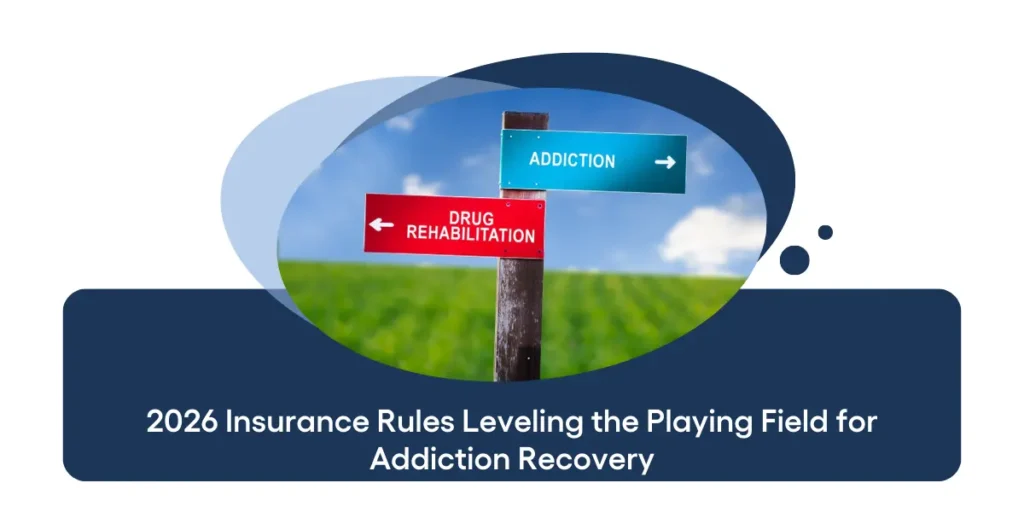
Now that we’ve reached 2026, there are new insurance rules to consider when evaluating how government regulations and assistance (or lack thereof) will impact an individual’s ability to receive treatment for their addiction. This post will cover some of the major changes taking effect this calendar year, and how they’ll impact you or a loved one seeking drug or alcohol addiction treatment.
Note: Recently, the Trump administration made a decision to terminate $2 billion in funding for drug addiction treatment and prevention programs. However, the administration then had the Substance Abuse and Mental Health Services Administration (SAMHSA) send out letters abruptly reinstating the grants within a few days. The loss of federal grants has devastated North Carolina before, as Sara Howe, the current chief executive office of Dixon professionals of North Carolina, stated in an interview she gave for NC Newsline. In her own words:
“[This event was] a concern because the work we do directly saves lives.”
We at Southeastern Recovery Center will keep an eye out for any changes on the federal level that might impact access to rehabilitation for drug and alcohol addiction, so make sure to return to our blog for new updates.
Article Preview:
What Are the New 2026 Insurance Rules Impacting Addiction Recovery? The new 2026 insurance rules impacting addiction recovery are rules requiring insurers to provide clear evidence that they’re not discriminating against SUD (substance use disorder) claims.
What is the Impact of the 2026 Mental Health Parity and Addiction Equity Act Rules? The impact of the 2026 Mental Health Parity and Addiction Equity Act rules means that insurers and health insurance plans will not be allowed to discriminate against individuals with substance use disorders.
Why Are These New 2026 Insurance Rules So Important for Addiction Recovery? These new 2026 insurance rules are important because millions of Americans struggle with substance use disorders and need to have access to care in order to recover.
FAQs about the New 2026 Insurance Rules are Leveling the Playing Field for Addiction Recovery. Answers to common questions revolving around the new 2026 insurance rules.
What Are the New 2026 Insurance Rules Impacting Addiction Recovery?
The main consideration of new insurance rules in 2026 is the Mental Health Parity and Addiction Equity Act. The first version of this act first passed in 1996, which was then beefed up in 2008 by requiring a comprehensive standard for equitable coverage of mental health and substance use disorder treatment and coverage of medical/surgical treatment. The 2010 Affordable Care Act (ACA, aka Obamacare) further strengthened the scope of these laws.
Most recently, in 2024, the Biden-Harris administration issued even more rules to strengthen parity between mental health and substance use disorder benefits and medical/surgical benefits.
While most of the 2024 rules took effect already, some of those changes did not kick in until 2026.
The main effect of the rules taking place now is this: insurers will have to provide clear evidence that they’re not discriminating against SUD (substance use disorder) claims.
What is the Impact of the 2026 Mental Health Parity and Addiction Equity Act Rules?
Taking a look at the Mental Health Parity and Addiction Equity Act itself, the goal of these new rules are laid bare:
“These final rules also clarify the way the parity requirements apply to NQTLs, including by prohibiting discriminatory factors and evidentiary standards, and provide additional examples of the application of MHPAEA to NQTLs to improve the understanding and ability of the regulated community to comply with the law.”
“Additionally, plans and issuers are not permitted to use any discriminatory factors or evidentiary standards to design or apply an NQTL, and they must satisfy new relevant data evaluation requirements as well as new requirements related to the elements and documentation of their comparative analyses.”
Clarity and parity (as in equality) are the goal of these changes, and making sure that insurers and health insurance plans are not allowed to discriminate against individuals with substance use disorders.
Why Are These New 2026 Insurance Rules So Important for Addiction Recovery?
These new insurance rules are important for addiction recovery because, as it stands, the United States has a major issue with access to effective healthcare for those suffering from drug and alcohol addictions.
When we look at the stats:
- As of 2023, 47.7 million Americans aged 12 and older were considered current illegal drug users.
- In 2024, 40.4 million Americans were surveyed by the National Survey on Drug Use and Health (NSDUH) and found to have battled a substance use disorder that same year.
- This number was a slight increase from the 40.3 million people were found to have a substance use disorder in 2020.
- The data is grim even when we zone into our own state of North Carolina. According to the North Carolina Department of Health and Human Services, from 2000 to 2023, more than 41,500 North Carolinians lost their lives to a drug overdose.
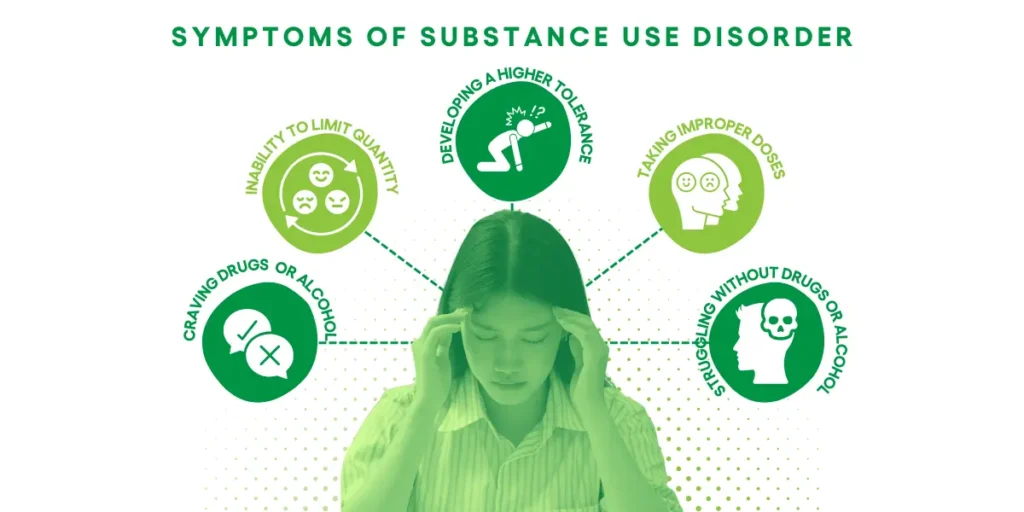
At Southeastern Recovery Center, our location in Charlotte, North Carolina, is visited by people from all over the state and the United States. And while we’re more than happy to provide personalized treatment plans to help individuals not only address their addictions head-on, but also remedy the underlying causes that led to those addictions in the first place, we know that we’re not reaching everybody that we could.
The data shows that, as it stands, access to drug addiction treatment still has a long way to go to be accessible to anyone and everyone who needs it. But changes, like these new 2026 insurance rules, are helping remedy that.
FAQs about the New 2026 Insurance Rules are Leveling the Playing Field for Addiction Recovery
What are the new 2026 insurance rules impacting addiction recovery?
The new 2026 insurance rules impacting addiction recovery are changes to the Mental Health Parity and Addiction Equity Act designed to achieve parity in treatment for addiction recovery.
What is the Mental Health Parity and Addiction Equity Act?
The Mental Health Parity and Addiction Equity Act is an act that was first passed in 1996 and has been occasionally beefed up by lawmakers since in order to broaden the scope of access to treatment for substance use disorders, mental health, and coverage of medical and surgical treatment.
Are insurers allowed to discriminate against people suffering from substance use disorders (SUDs)?
Generally no, insurers are not allowed to discriminate against people suffering from substance use disorders, and these new 2026 insurance rules help make it harder for them to attempt to.
When were these new 2026 insurance rules passed?
These new 26 insurance rules were passed in 2024 by the Biden-Harris administration, but some of the changes just took effect January 1, 2026.
Sources:
Childress, Greg. “NC Mental Health, Drug Treatment Providers Left Reeling by Sudden Federal Funding Cut, Reversal.” NC Newsline, 16 Jan. 2026, https://ncnewsline.com/2026/01/16/nc-mental-health-drug-treatment-providers-left-reeling-by-sudden-federal-funding-cut-reversal. Accessed 20 Jan. 2026.
U.S. Department of Labor, Employee Benefits Security Administration. New MHPAEA Rules: What They Mean for Participants and Beneficiaries. U.S. Department of Labor, https://www.dol.gov/agencies/ebsa/laws-and-regulations/laws/mental-health-parity/new-mhpaea-rules-what-they-mean-for-participants-and-beneficiaries. Accessed 20 Jan. 2026.
National Alliance on Mental Illness. Improving Health: Mental Health Parity. National Alliance on Mental Illness, www.nami.org/advocacy-at-nami/policy-positions/improving-health/mental-health-parity/. Accessed 20 Jan. 2026.
U.S. Government. Requirements Related to the Mental Health Parity and Addiction Equity Act. Federal Register, vol. 89, no. 184, 23 Sept. 2024, https://www.federalregister.gov/documents/2024/09/23/2024-20612/requirements-related-to-the-mental-health-parity-and-addiction-equity-act. Accessed 20 Jan. 2026.
National Center for Drug Abuse Statistics. DrugAbuseStatistics.org. https://drugabusestatistics.org. Accessed 20 Jan. 2026.
Substance Abuse and Mental Health Services Administration. 2024 National Survey on Drug Use and Health (NSDUH) National Releases. SAMHSA, https://www.samhsa.gov/data/data-we-collect/nsduh-national-survey-drug-use-and-health/national-releases/2024. Accessed 20 Jan. 2026.
National Institute on Drug Abuse. Fiscal Year 2024 Budget Information Congressional Justification; IC Fact Sheet 2024. National Institute on Drug Abuse, https://nida.nih.gov/about-nida/legislative-activities/budget-information/fiscal-year-2024-budget-information-congressional-justification-national-institute-drug-abuse/ic-fact-sheet-2024. Accessed 20 Jan. 2026.
North Carolina Department of Health and Human Services. North Carolina Overdose Epidemic Data. https://www.dph.ncdhhs.gov/programs/chronic-disease-and-injury/injury-and-violence-prevention-branch/north-carolina-overdose-epidemic-data. Accessed 20 Jan. 2026.