Remote work may seem like a general positive for workers, largely due to the increased flexibility and control over their work, but there’s an invisible drawback in the form of drug and alcohol addiction. Free time at home means increased exposure to anything an individual has in her general presence, including illicit substances. Additionally, remote work is noted to come with a general feeling of employees needing to be “on call,” which can increase stress and lead to taking drugs to self-medicate for stress, which is an easy way to develop a substance use disorder.
At Southeastern Recovery Center, we’ve seen firsthand how Charlotte and Raleigh-Durham becoming major tech hubs is leading to increased demand for addiction treatment for remote workers. In this post, we’re going to tackle how drug and alcohol addiction functions as a hidden drawback in the tech industry, exacerbated by factors such as stress and burnout.
Summary: Remote work presents an opportunity for tech workers to indulge in drugs and alcohol, which is leading to addiction. Employers and colleagues should watch out for signs, resist temptation, and encourage individuals to seek proper treatment.
Article Preview:
Why is Addiction Treatment for Remote Workers in Demand? Remote workers have increased access and opportunity to engage in substance use while on the clock.
Why Should Employers be Concerned with their Remote Workers’ Drug Habits? Remote workers that use substances produce less optimal work and are more likely to develop an addiction.
What Factors Contribute to Stimulant Use and Alcoholism in the Tech Industry in North Carolina? Perfectionism, work pressure, and high stress contribute to stimulant use and alcoholism in the tech industry.
What Drug Addictions Are Most Common in the Tech Industry (in Charlotte and Across the United States)? Adderall, alcohol, and marijuana are common drugs used in the tech industry.
FAQs About Remote Work & The ‘Invisible’ Addiction: Support for Charlotte’s Tech Sector. Get answers to frequently asked questions about remote work and invisible addictions in Charlotte, North Carolina’s tech industry.
Why is Addiction Treatment for Remote Workers in Demand?
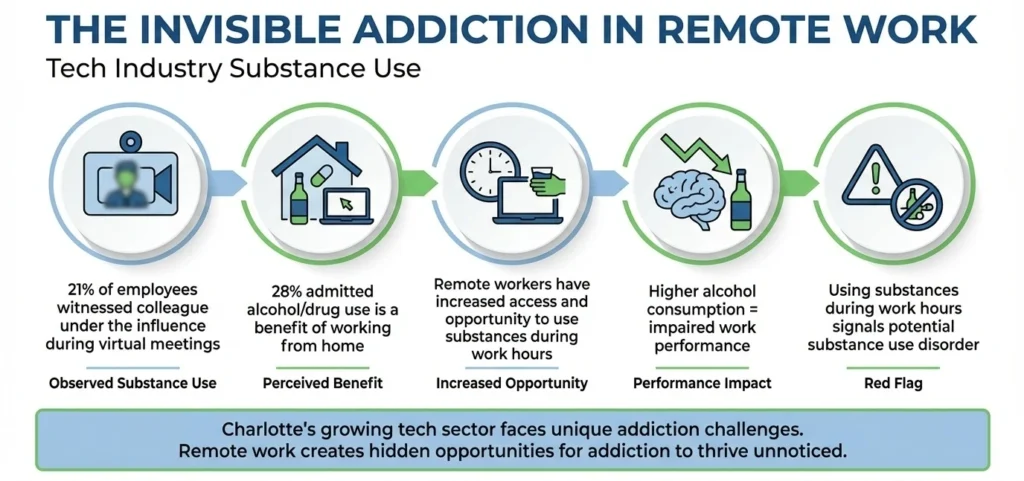
Addiction treatment for remote workers is in demand because of how employees spend their time while working from home. A survey conducted by Sierra Tucson revealed that 21% of employees witnessed a colleague under the influence of marijuana, alcohol, or other recreational drugs during virtual meetings taking place during the workday. Additionally, 28% of employees admitted that the opportunity to use alcohol and other recreational drugs was an added benefit of working from home.
In short, employees are actively demonstrating how large of a role an individual’s environment plays in drug and alcohol abuse. Because they have access and opportunity, remote employees are partaking in drug and alcohol use to such a degree that other employees can visibly see that their colleagues are under the influence.
Why Should Employers be Concerned with their Remote Workers’ Drug Habits?
Employers should be concerned with their remote workers’ drug habits because such behavior will affect the quality of their work, impact morale, and may point towards a worker developing a substance use disorder.
Remote workers under the influence of substances like alcohol or stimulants such as Adderall will have an altered state that will affect the work they do. Higher levels of alcohol consumption are directly associated with higher levels of impaired work performance.
The fact that other employees might be able to tell that their colleagues are under the influence will also drain morale. Imagine one employee that is sober, attentive, and generally putting forth their all, only for them to witness a fellow team member drunk or high while on Zoom. This will naturally lead to frustration in your sober remote workers, or possibly even encourage some of them to follow suit, drastically reducing workplace efficiency overall.
Additionally, one of the main signs of an individual having a substance use disorder is them abusing a substance at inappropriate times. Drinking or taking drugs while on the job is a textbook example of this type of inadvisable behavior that could signal that an individual is developing a substance use disorder.
If you or a loved one has mentioned taking advantage of remote working hours to drink or do drugs, it’s possible that this is really a symptom of a greater issue. Reach out to a facility like Southeastern Recovery Center to learn about personalized addiction treatment for remote workers.
What Factors Contribute to Stimulant Use and Alcoholism in the Tech Industry in North Carolina?
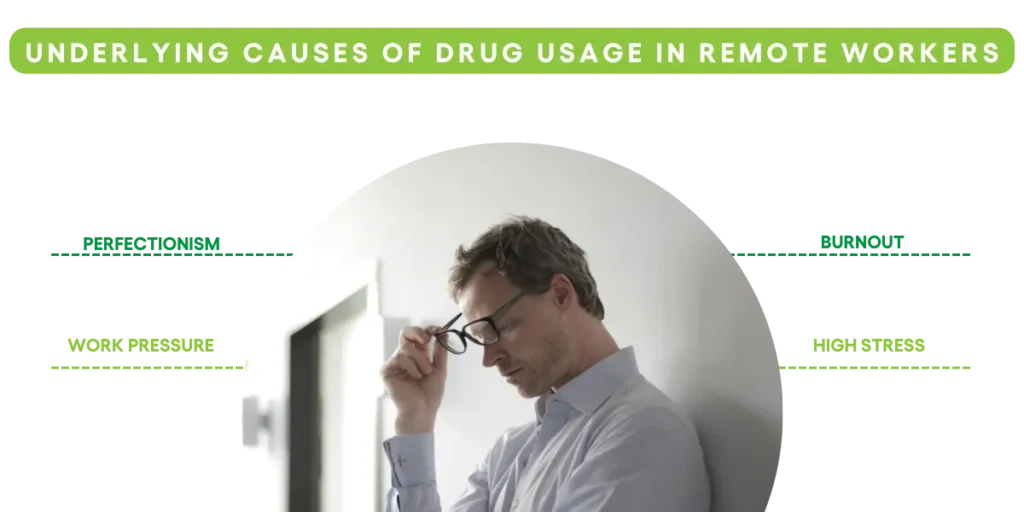
Stimulant use and alcoholism in the tech industry is driven by several notable factors including:
- Perfectionism
- Work pressure
- High stress
- Burnout
These factors are pervasive, creating a constant source of aggravation that can lead remote workers in the tech industry to develop mental health disorders such as anxiety or depression. Whether or not they develop these mental health issues, the stress of work, as well as the relative ease of doing drugs while working from home can push tech workers towards substance use to self medicate.
What Drug Addictions Are Most Common in the Tech Industry (in Charlotte and Across the United States)?
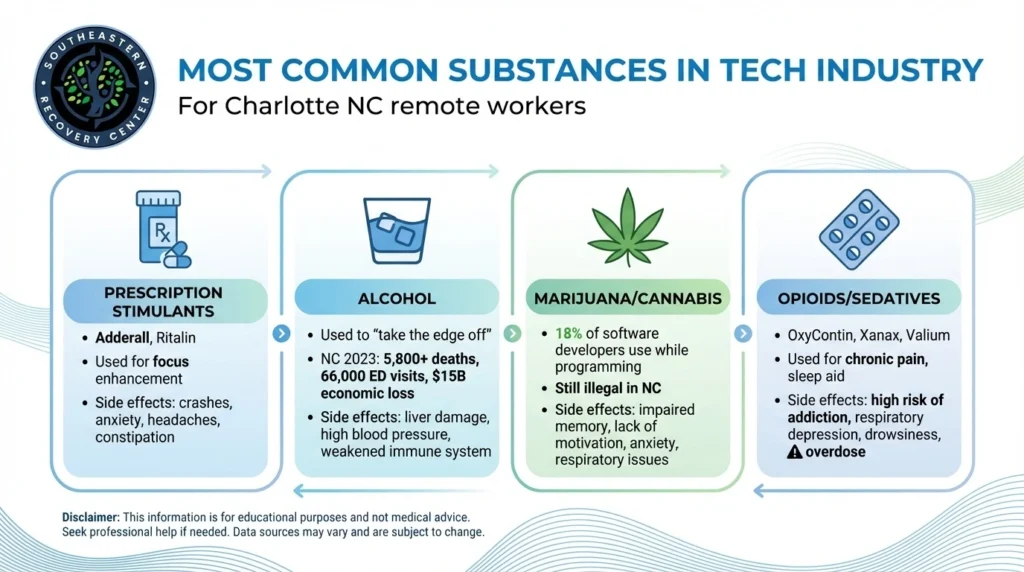
The most common drug addictions in the tech industry (in Charlotte, NC as well as other areas) include:
- Adderall, Ritalin, and other prescription stimulants. These drugs may be abused by remote tech workers due to their reputation for improving focus. Downsides include Adderall crashes, in addition to side effects such as anxiety, headaches, and constipation.
- Alcohol. Alcohol has a reputation for helping “take the edge off” which is why it’s used by not just remote tech workers but Americans across the country. Side effects of alcohol use disorder include liver damage, high blood pressure, and a weakened immune system. In 2023, North Carolina experienced more than 5,800 deaths, 66,000 emergency department visits, and a loss of $15 billion due to alcohol use.
- Marijuana/Cannabis. Cannabis usage is still illegal in North Carolina outside of French medical cases. Still, 18% of software developers admitted to using cannabis while programming. Side effects of marijuana usage include dry mouth, increased heart rates, and nausea.
- Opioids. Tech workers may turn to using opioids in order to help with pain relief associated with long hours sitting at a desk typing, as well as to help cope with stress. Side effects include drowsiness, constipation, and vomiting. Data collected by the Substance Abuse and Mental Health Services Administration (SAMHSA) found that 19.53% of tech employees admitted to using pain relievers such as opioids for nonmedical purposes.
FAQs About Remote Work & the ‘invisible’ Addiction: Support for Charlotte’s Tech Sector
How does remote work lead to more drug and alcohol addiction?
Remote work leads to more drug and alcohol addiction by giving individuals the opportunity and access to indulge themselves in various illicit substances.
Why do tech workers do drugs?
Tech workers do drugs to self medicate for stress or to attempt to maintain high performance around-the-clock.
What’s causing tech industry burnout in NC?
Sources of tech industry burnout include perfectionism and work pressure.
What are some forms of treatment for opioid addiction?
Forms of treatment for opioid addiction include medication-assisted treatment (through the use of methadone, buprenorphine and naltrexone), checking into a rehab facility, or making use of virtual IOP for opioid addiction.
Sources:
Tucson, Sierra. “Employees View Alcohol, Drug Use as Benefit of Work-From-Home during Pandemic – May Bring Drug Habits back to Workplace, Sierra Tucson Survey Shows.” Prnewswire.com, Cision PR Newswire, 10 Nov. 2021, www.prnewswire.com/news-releases/employees-view-alcohol-drug-use-as-benefit-of-work-from-home-during-pandemic–may-bring-drug-habits-back-to-workplace-sierra-tucson-survey-shows-301420915.html.
“Association between alcohol consumption and impaired work performance (presenteeism): a systematic review.” Nih.gov, 2026, pmc.ncbi.nlm.nih.gov/articles/PMC6661906.
“Drugs in the Workplace – Comparison by Industry | Detox.net.” Detox.net, detox.net/uncover/drugs-in-the-workplace-industry-comparison.
“North Carolina Alcohol and Related Harms Data | Division of Public Health.” Ncdhhs.gov, 2023, www.dph.ncdhhs.gov/programs/chronic-disease-and-injury/injury-and-violence-prevention-branch/north-carolina-alcohol-use-and-related-harms-prevention/data.
Elder, Jeff. “Buzzkill: Tech Companies Grapple with Workers Getting High on the Job.” San Francisco Examiner, 15 Apr. 2022, www.sfexaminer.com/archives/buzzkill-tech-companies-grapple-with-workers-getting-high-on-the-job/article_ef1f4294-0651-5e0b-bfd8-7ac8c1bcb843.html.