If you or someone you care about is exploring trauma-informed rehab options in Charlotte, NC, it can feel overwhelming to know where to start. The Charlotte area is home to a diverse mix of addiction treatment programs that specialize in trauma-informed care—where therapeutic approaches recognize the impact of trauma on addiction and mental health. Each center has its own philosophy, treatment structure, and areas of focus—what works well for one person may not be the right fit for another.
The following list introduces ten trauma-informed rehab programs serving Charlotte and the surrounding communities. These programs were selected to reflect a variety of treatment approaches, evidence-based trauma therapies, and community presence, helping you better understand the options available as you take the next step toward recovery.
This content is intended to support informed decision-making and is not a ranking or evaluation of treatment outcomes.
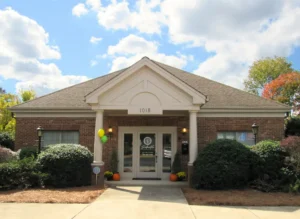
Southeastern Recovery Center offers comprehensive trauma-informed care as part of their holistic addiction treatment approach. Their evidence-based therapies include Eye Movement Desensitization and Reprocessing (EMDR), Dialectical Behavior Therapy (DBT), Cognitive Behavioral Therapy (CBT), and experiential therapy. The center’s trauma-focused group and individual treatment sessions address both addiction and underlying trauma through its Dual Diagnosis Enhanced program, with flexible day and evening PHP and IOP options and 24/7 admissions support. Their services include detox coordination, residential treatment, outpatient care (also offering virtual IOP), and dual diagnosis support for individuals struggling with both substance use and mental health disorders.
HopeWay provides specialized treatment for trauma and stress-related disorders including PTSD, with evidence-based therapeutic modalities.
The Blanchard Institute is clinically-driven, safety and trauma-informed, and family-oriented to clients who meet clinical and medical criteria. The center offers a continuum of outpatient care.
Atrium Health’s Addiction Services provide Intensive Outpatient Programs that incorporate trauma-informed care principles in treating chemical dependence and co-occurring mental health disorders. Their comprehensive behavioral health services offers structured treatment in a medical setting with access to psychiatric support and evidence-based therapies.
Ascend Recovery Centers focuses on comprehensive, trauma-informed care with evidence-based therapies in all levels of care options.
Monarch is a leading provider of high-quality and trauma-informed care for individuals with mental illness, substance use disorders, and intellectual/developmental disabilities. Their Mecklenburg County Behavioral Health Outpatient Office offers Open Access for same-day services amongst other services.
Harmony Recovery Center provides personalized, solution-focused, and holistic substance use and mental health disorder treatment with a strong trauma-informed foundation. Their amenities include yoga, and their programs incorporate trauma-sensitive therapeutic approaches throughout.
McLeod Centers for Wellbeing provides trauma-informed care as part of their comprehensive approach to addiction and mental health treatment. Their Intensive Outpatient programs, Medication-Assisted Treatment (MAT), and clinical services are delivered through a trauma-sensitive framework that recognizes how traumatic experiences contribute to substance use disorders.
Choices for Recovery is a holistic substance use and addiction treatment facility that integrates trauma-sensitive care into its Intensive Outpatient Program. Their approach combines EBT with holistic activities to treat the mind, body, and spirit, recognizing the role of trauma in addiction.
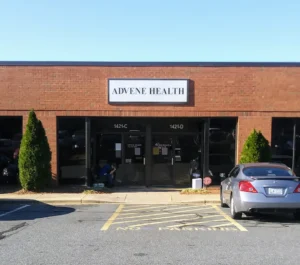
Advene Health Group is a dual-diagnostic substance abuse facility offering mental health services, MAT services, and trauma counseling. Their services include PTSD treatment, trauma therapy, and addiction therapy delivered through a trauma-informed lens.
Finding the right trauma-informed rehab program can feel overwhelming, but understanding your options is an important first step. If you’re exploring treatment or want to learn more about how trauma-focused therapies can support your recovery journey, educational resources are available through serecoverycenter.com.